Author name: sirultimate

plight of widows and orphans
Empowerment, Support Widows

The Hidden Health Crisis Among Nigerian Widows

When we discuss what widows in Nigeria need, we talk about money, skills, and legal protection. These are real and urgent needs. But there is another need that is almost entirely absent from the conversation: health. Nigerian widows are facing a quiet health crisis. It is hidden behind the economic emergencies, the property disputes, and the school fee struggles. But it is real – and if it goes unaddressed, it undermines every other form of support we try to provide. Grief as a Physical Experience Grief is not only emotional. It has measurable physical effects. Research shows that losing a spouse is associated with increased rates of cardiovascular problems, suppressed immune function, sleep disorders, and higher risk of serious illness in the year following the loss. For Nigerian widows who are simultaneously managing financial collapse, property disputes, childcare, and social stigma while grieving, these health risks are significantly amplified. Delayed and Denied Medical Care Even when a widow’s health deteriorates, accessing medical care is often not her priority. She is prioritising her children’s needs above her own. She cannot afford clinic fees on top of school fees and food. And she has been socially conditioned to place herself last. The result is that widows frequently present to health services – when they present at all – at a more advanced stage of illness. Preventable conditions become serious ones. Manageable problems become crises. Nutritional Neglect When money is short, the widow typically eats last and least. Children are fed first. The widow survives on what is left. Over months, this pattern leads to depleted energy, weakened immunity, and reduced capacity to work – creating a vicious cycle where poor nutrition reduces earning capacity, which further reduces nutrition. How Uchegbu Foundation Addresses Widow Health Our widow empowerment programmes include health education, referral support to local health facilities, and partnerships with community health workers who provide basic health checks during our outreach events. We also advocate for widows to treat their own health as a priority – not a luxury, but a foundation on which everything else depends. “A widow who is unwell cannot parent well, earn well, or rebuild well. Caring for her health is not secondary. It is foundational to everything else.” Support whole-life widow care – donate at widowsfoundation.com today.    

Empowerment, Support Widows

Widows Mental Health in Nigeria: The Grief Nobody Talks About

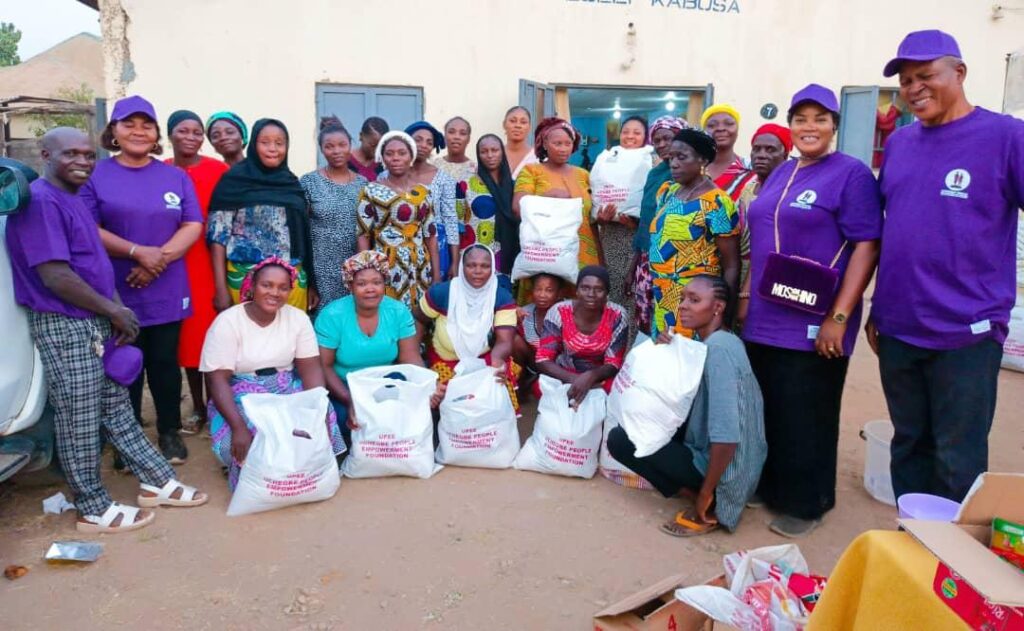
In Nigeria, when a woman loses her husband, she is expected to be strong. She must organise the funeral. She must feed the guests. She must comfort the children. She must endure the mourning rites. And she must do all of this while carrying a level of pain that most people around her will never stop to acknowledge. We do not talk enough about what grief does to a widow’s mental health. And because we do not talk about it, thousands of Nigerian women carry their pain in silence – until it becomes too heavy to carry at all. At the Uchegbu People Empowerment Foundation, mental and emotional care is built into everything we do. Because we have learned, again and again, that a woman cannot rebuild her life if her mind is still trapped in the worst day of her life. What Grief Actually Feels Like for a Nigerian Widow Grief is not just sadness. For widows, it often shows up as total exhaustion – the kind that makes getting out of bed feel impossible. It shows up as trouble concentrating, forgetting simple things, making poor decisions. It shows up as anger that seems to come from nowhere. It shows up as physical pain: headaches, stomach problems, chest tightness. In the Nigerian context, grief is made much worse by the social pressures widows face. They are blamed for their husband’s death. They are pushed away from community life. They are expected to manage financial collapse and childcare at the same time. They are given no time or space to simply grieve. The result is that many Nigerian widows develop what doctors would call depression, anxiety, or post-traumatic stress – conditions that go completely untreated because there is no accessible care and no community language for them. Why Mental Health Support Is Not a Luxury Some people think mental health support is something for wealthy people in Western countries – not for ordinary Nigerians dealing with real problems. This thinking is wrong, and it costs lives. A widow who is depressed cannot parent well. She cannot focus in a skills training class. She cannot make good business decisions. She cannot fight for her legal rights. Unaddressed mental health issues block every other form of recovery. Simple Coping Strategies That Actually Help Talk to someone you trust. Saying your pain out loud to one person who listens without judgment is one of the most healing things a widow can do. Join a widow support group. Being with other women who understand your experience reduces isolation immediately. Uchegbu Foundation facilitates widow peer groups in several Nigerian states. Create a small daily routine. Grief destroys structure. Building even a simple daily routine – wake up, eat, do one task – gives your mind something steady to hold onto. Do not rush the process. Nigerian culture often puts time pressure on grief. Give yourself permission to still be grieving months later. There is no deadline on healing. Seek professional support if you can access it. There is no shame in getting help. “Strength does not mean pretending you are not in pain. Real strength is admitting the pain – and choosing to get help anyway.” How Uchegbu Foundation Supports Widow Mental Health Every widow who comes to us receives psychosocial support before any economic programme begins. We facilitate peer support circles, provide counselling referrals, and create community environments where widows feel no shame for struggling. Support widow healing – donate to Uchegbu Foundation at https://widowsfoundation.com/donate/

property rights of widows in Nigeria
Support Widows

Property Rights of Widows in Nigeria: Know the Law

Imagine losing your husband – and then losing your home too. Sadly, this happens to thousands of Nigerian widows every year. Within days of a funeral, in-laws arrive to claim the house, the land, the shop, and the savings. Many widows walk away because they believe it is simply the way things are done. But here is something important: it is not legal. Nigerian law protects widows. The problem is that most widows do not know their rights – and the people taking their property are counting on that. At the Uchegbu People Empowerment Foundation, we help widows understand and use the law to protect themselves. This article breaks it down in plain language. What Nigerian Law Actually Says Nigeria’s 1999 Constitution says that every Nigerian citizen – man or woman – has the right to own property. No custom or tradition can take that right away. This means a widow cannot be legally forced out of her home simply because her husband has died. Several states have gone even further. Anambra, Enugu, Cross River, and Edo States have laws that specifically ban harmful widowhood practices – including the forced seizure of a widow’s home and belongings. If you live in one of these states, those who take your property are breaking the law. Why Property Seizure Still Happens The gap between what the law says and what happens in real communities is wide. Customary law – the unwritten rules communities have followed for generations – still treats a widow’s property as belonging to her husband’s family after he dies. Because many widows do not know formal law protects them, they comply out of fear. In Igbo communities especially, property is often seen as belonging to the man’s family line. When he dies, in-laws may genuinely believe they are entitled to take it back. This belief is false in the eyes of Nigerian law – but it is acted on every day. What a Widow Can Do Right Now If you are a widow facing property pressure, these steps can help protect you: Gather documents. Your marriage certificate, any property deeds, and your husband’s will are your most important protections. Keep copies somewhere safe. Do not sign anything. Relatives or community members may ask you to sign documents transferring ownership. Do not sign without legal advice first. Seek legal help. Contact an organisation like the Uchegbu People Empowerment Foundation. We can connect you with a legal advisor at no cost. Report to authorities. Property seizure is theft under Nigerian law. You can report to your local police station or magistrate court. “Knowing your rights is not being difficult. It is being smart. No widow should lose her home because nobody told her the law was on her side.” What You Can Do to Help If you know a widow facing property pressure, refer her to us. If you are a lawyer willing to provide pro bono support, we want to hear from you. And if you want to fund our legal aid work, your donation directly helps widows fight back against illegal seizure. Help a widow keep her home – donate at https://widowsfoundation.com/widows/ today.

skill acquisition program for widows
Support Widows

New Ways For Widows to Earn in 2026

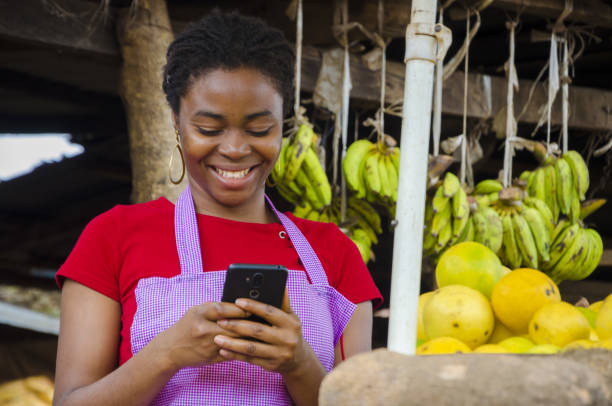
A few years ago, you needed a shop, a stall, or a market stand to run a small business in Nigeria. Today, you need a smartphone and the right knowledge. The digital economy has opened income doors that simply did not exist before – and Nigerian widows should be walking through them. At the Uchegbu People Empowerment Foundation, we have built digital skills into our widow empowerment programme because we have seen first-hand how a widow with basic digital knowledge can reach customers, earn income, and build a business in ways that were impossible for previous generations. Why Digital Skills Matter Especially for Widows For many Nigerian widows, barriers to traditional economic participation are significant: childcare responsibilities limit movement, social stigma limits community interaction, and lack of startup capital limits market access. Digital platforms dissolve many of these barriers. A widow selling handmade products on WhatsApp Business does not need to leave her home to reach customers. A widow providing data entry or virtual assistance can earn from organisations across Nigeria without any physical commute. The Digital Skills We Teach WhatsApp Business setup: How to create a professional business profile, catalogue products, automate responses, and use broadcast lists to reach customers at scale. Social media selling: How to use Instagram and Facebook to showcase products, build a local following, and convert followers into paying customers. Mobile money mastery: How to use OPay, Kuda, PalmPay, and similar platforms to receive payments and manage business accounts. Basic content creation: How to take good product photos on a phone and write simple captions that sell. Online marketplaces: Introduction to platforms like Jumia, Jiji, and Konga for widows whose products are suitable for wider distribution. Digital Skills Plus Traditional Skills Equals Maximum Income Digital training is most powerful when it sits on top of a tangible product or service. A widow who has completed our catering programme and then learns WhatsApp Business marketing does not just have a skill – she has a business engine. The combination is where the real income growth happens. “She already knew how to make the product. We just taught her how to make the world aware that it existed. The customers came on their own after that.” Support widow digital training – donate at widowsfoundation.com/donate/ today.    

Empowerment, Support Widows

Widowhood Poverty in Nigeria

Numbers matter. When we understand the true scale of widow poverty in Nigeria, the moral case for action becomes impossible to ignore. At the Uchegbu People Empowerment Foundation, we believe awareness is the first step toward change – and awareness begins with honest facts. The Scale of the Problem Nigeria has one of the largest widow populations in sub-Saharan Africa. With a population exceeding 220 million people and a relatively young adult male population exposed to significant health risks, road accidents, and security challenges, the number of women widowed each year in Nigeria runs into the hundreds of thousands. The majority of these women transition from relative stability to acute financial vulnerability within months of their husband’s death. In rural communities and semi-urban areas – which account for the majority of Nigeria’s population – there are almost no formal financial safety nets to catch them. What Happens to Household Income In most Nigerian households, the husband is the primary – and often sole – formal income earner. When he dies, that income disappears immediately. The widow is left with whatever savings exist, assets that may be seized by in-laws, and any informal income she was generating on the side. Studies on household economics in sub-Saharan Africa consistently show that widow-headed households earn significantly less than two-parent households – not because widows work less hard, but because they have fewer assets, less access to credit, less access to markets, and carry the full burden of childcare simultaneously. The Children Pay the Highest Price The economic impact does not stay with the widow alone. Her children bear it too – particularly in education. School dropout rates among children of widows in Nigeria are measurably higher than the general population. The children most at risk are girls in secondary school and boys in their final years of primary school. The Wealth Nigeria Is Leaving on the Table Widows are not a drain on the Nigerian economy. They are an under-activated economic force. The women we work with at the Uchegbu Foundation are hardworking, resourceful, and deeply motivated by the need to care for their children. When they receive skills training, business support, and legal protection, they become economic contributors – taxpaying, job-creating, community-building contributors. Every naira invested in a widow’s skills programme returns many times over in reduced dependency, increased productivity, and stronger communities. The case for investing in widow empowerment is not just humanitarian. It is economic. “Widows do not need to be rescued. They need to be equipped. The difference between those two things is the difference between charity and justice.” Invest in widow empowerment – donate to Uchegbu Foundation at widowsfoundation.com/donate/

Support Widows

How Skills Training Is Rebuilding Lives and Restoring Hope

When Chioma’s husband died suddenly in 2022, she was left with four children, a rented apartment she could no longer afford, and a level of financial panic she had never experienced in her thirty-nine years of life. She had no formal employment. She had always managed the home while her husband managed the income. And now the income was gone. “I did not know what I was going to do,” she says. “I knew how to cook. I knew how to sew a little. But knowing something and knowing how to turn it into money are not the same thing.” Chioma’s story is not unusual. It is, in fact, the story of tens of thousands of Nigerian widows in any given year – women who are capable, determined, and willing to work, but who lack the specific skills, business knowledge, and startup support to convert their willingness into income. This is the gap that the Uchegbu People Empowerment Foundation’s widow empowerment programmes are designed to fill. Why Skills Alone Are Not Enough The conventional response to widow poverty in Nigeria has often been to hand out food parcels or one-off financial gifts. These are valuable in crisis – they prevent starvation and provide breathing room. But they do not build independence. A widow who receives food this month still needs food next month. What changes her situation permanently is the ability to generate her own income sustainably. But here is what many well-meaning efforts miss: skills alone are also not enough. Nigeria has thousands of women who know how to sew, bake, or make soap – and are still poor because they do not know how to price their work, reach customers, manage their cash flow, or grow from a side activity into a real business. Effective widow empowerment must combine skills with business knowledge, and business knowledge with startup support. That is exactly how the Uchegbu People Empowerment Foundation structures our programmes. What Our Widow Empowerment Programme Looks Like Our programme operates in three interconnected phases that take a widow from crisis to confidence: Phase One – Stabilisation: Before skills training can begin, the most immediate needs must be addressed. This means connecting widows with legal support if property dispossession is occurring, providing psychosocial care to begin processing grief, and ensuring that children’s basic needs – food, school fees, healthcare – are not being neglected. A woman cannot learn when she is in survival mode. Phase Two – Skills Acquisition: We offer hands-on vocational training in areas with proven income potential in Nigerian markets. Current training tracks include catering and small-scale food production, tailoring and fashion design, soap and cosmetics making, hair care and beauty services, and petty trading and retail management. Training is conducted in cohorts of eight to twelve widows, creating immediate peer bonds that often outlast the programme itself. Phase Three – Business Launch Support: Completing training is not the finish line – it is the starting line. After graduation, our participants receive small business support including access to starter kits and tools, guidance on business registration and formalisation, introduction to market opportunities and potential customers, and ongoing mentorship from both our team and from women who completed earlier cohorts. “Empowerment is not a gift you give someone. It is a space you create where their own strength can emerge. Our job is to create that space – and then get out of the way.” The Role of Community Care Economic empowerment without social reintegration produces incomplete results. A widow who is earning income but still isolated from her community, still blamed for her husband’s death, still excluded from social networks remains vulnerable in ways that income alone cannot fix. This is why community care is woven into everything we do. Our programmes create cohorts – groups of widows who go through training together, support each other’s businesses, and form bonds of genuine friendship and mutual accountability. Many of our graduates describe their cohort as the most important support system in their lives. We also engage community leaders, church leaders, and traditional rulers to shift community attitudes toward widows – because a widow thriving in a hostile community is always one bad month away from losing everything again. Chioma’s Outcome – And What It Represents Chioma completed our catering and food production track eight months after joining. She received a startup kit including packaging materials, a gas cooker, and working capital to purchase initial stock. She began selling packaged snacks and small chops to offices and event organisers in her local government area. Today, eighteen months after the day she thought she had nothing, Chioma supplies three regular corporate clients, employs one assistant on market days, and has re-enrolled all four of her children in school. She has also joined our peer mentorship network, where she now encourages newer widows joining the programme. “I am not where I want to be yet,” she says honestly. “But I am moving. That is what matters. I am moving forward.” How You Can Support This Work The Uchegbu People Empowerment Foundation runs entirely on the generosity of donors who believe that a Nigerian widow’s story should not end with her husband’s death. Our widow empowerment programme costs real money to run – trainers, materials, starter kits, psychosocial support, community engagement. Every naira and every dollar goes directly into the programme. When you donate to our foundation, you are not making a charity gesture. You are making a business investment in a woman who will work hard with everything you give her. You are buying the time and the tools she needs to become the person she already has the capacity to be. Invest in a widow’s future – donate at widowsfoundation.com/donate/ today.    

by widows in Nigeria
Support Widows

Real Stories of Nigerian Widows

Statistics can tell you about scope. They cannot tell you about a Tuesday morning in Onitsha when a woman wakes up and decides, despite everything, to try again. They cannot tell you what it costs a forty-two-year-old mother in Enugu to walk into a skills training class for the first time in her life and admit that she needs to start over. They cannot tell you what it feels like when a widow in Aba sees her daughter return to school after two years of absence, in a clean uniform, with a backpack that has supplies in it. Stories can. The women in this article are real. Their names and some identifying details have been changed to protect their privacy, but their journeys are not composites or inventions. They are what widow empowerment actually looks like in Nigeria – messy, hard, slow, and ultimately extraordinary. Adaeze, 42 – Onitsha, Anambra State Adaeze’s husband ran a small transport business. When he died of a heart attack in 2021, Adaeze had three children in primary school, a rented apartment in Onitsha, and what she describes as ‘zero naira and zero plan.’ Within a week of the funeral, her husband’s brothers arrived and took the two vehicles that were the foundation of the business, citing customary rights to her husband’s property. ‘I knew it was wrong,’ she says. ‘But I also knew I was alone in a compound surrounded by his family, with three children watching everything. I did not have the strength to fight.’ A church member who had attended one of our community outreach events connected Adaeze to the Uchegbu People Empowerment Foundation three weeks after the funeral. We helped her understand her legal rights under Anambra State’s Prohibition of Obnoxious Widowhood Practices Law, and connected her with a pro bono lawyer who wrote a formal letter to her in-laws. The vehicles were not returned – but the harassment stopped, and Adaeze was able to stay in her home. She enrolled in our catering and food production training track. She had always been a good cook – her husband’s friends used to request her jollof rice for events. But she had never thought of cooking as a business. Our programme helped her think differently. Today, Adaeze supplies packaged snacks to four offices in Onitsha’s commercial district and caters for small events on weekends. Her children are back in school. She has opened a small savings account for the first time in her life. “I am not rich. But I am free. I make my own decisions now. Nobody can threaten to throw me out because I cannot pay. That feeling – that is what I was fighting for.” Blessing, 35 – Port Harcourt, Rivers State Blessing was thirty-two when her husband was killed in a road accident on the Port Harcourt–Aba expressway. She was pregnant with their third child. The trauma of losing her husband, delivering a baby, and managing two older children – aged four and six – simultaneously nearly broke her. ‘I cannot describe those first months,’ she says simply. ‘I would rather not.’ Blessing’s experience of widow stigma was particularly severe. Her husband had died suddenly and young, and rumours spread in her neighbourhood that she had somehow been involved – that he had died because of something she had done. Neighbours who had been friendly became distant. The father of her husband’s friend stopped allowing his children to play with hers. When Blessing found the Uchegbu People Empowerment Foundation through our social media presence, the first thing she asked was not for money or training. She asked whether she could speak to someone. We connected her with our psychosocial support coordinator, and she attended six peer support sessions with other widows before she was ready to think about economic recovery. ‘Being with other women who understood – without me having to explain – that was the beginning,’ she says. ‘I stopped feeling like something was wrong with me.’ Blessing completed our soap and cosmetics making track and now sells a line of handmade skincare products under her own brand name, primarily through WhatsApp and Instagram. Her products have customers as far as Lagos and Abuja. Her baby, now two, is healthy. Her older children are in school. She did not ask us to solve her problems. She asked us to stand beside her long enough for her to solve them herself. Mama Tunde, 58 – Ibadan, Oyo State Mama Tunde does not want to discuss her exact circumstances in detail, and we respect that. What she is willing to share is this: she was widowed at fifty-five after over thirty years of marriage, faced a property dispute that took eighteen months to resolve, and arrived at our foundation’s Ibadan outreach event convinced that nobody ran programmes for women her age. ‘I thought empowerment was for young women,’ she says with a laugh that has sadness at its edges. ‘I thought at my age, you just survive.’ We enrolled her in our petty trading and retail management track – and quickly discovered that Mama Tunde had decades of informal market knowledge that the younger women in her cohort were eager to learn from. She became an informal mentor within the group before she had even completed the programme. Today, she runs a small provisions shop from the front of her home – a steady, modest income that covers her essential costs and gives her enough structure to fill the days that grief once made impossible to get through. More significantly, she has become one of the most active volunteers in our Ibadan widow support network, facilitating monthly peer gatherings where widows share resources, opportunities, and encouragement. She visits newly widowed women in her neighbourhood and brings them, gently, toward help. “I came looking for a programme. I found a community. Now I try to make sure every widow in my area finds the same thing – because that community is what kept me alive in those first

how to help widows in Nigeria
Support Widows

7 Ways to Help Widows in Nigeria

You already care – otherwise you would not be reading this. The question now is not whether to help, but how to translate that care into something that reaches a real woman, in a real community, on a real Tuesday when she does not know how she will feed her children. The good news is that helping widows in Nigeria does not require wealth or connections. It requires intentionality, consistency, and a willingness to act. At the Uchegbu People Empowerment Foundation, we have spent years learning what help actually looks like in practice – what moves the needle and what does not. These are the seven most effective ways you can make a genuine difference. 1. Donate Directly to a Trusted Nigerian Widow Foundation The most immediate, high-impact action you can take is a direct financial donation to an organisation that works on the ground with Nigerian widows. Financial contributions fund the specific, practical interventions that change lives: skills training materials, small business starter grants, children’s school fees, food support during crisis periods, and psychosocial care. At the Uchegbu People Empowerment Foundation, donations go directly into our widow empowerment programmes. We are a Nigerian foundation working with Nigerian widows in Nigerian communities – which means your money does not travel through layers of international overhead before it reaches the person who needs it. It goes in, and it gets to work. “A single donation can cover a widow’s vocational training fee, restock a small business, or keep a child in school for a full term. The distance between your giving and her relief is shorter than you think.” You can give once as an act of immediate solidarity, or set up a monthly contribution that allows us to plan consistent, sustained support rather than responding only in emergencies. Recurring donors are the backbone of everything we do. Donate now at widowsfoundation.com – your support reaches a Nigerian widow directly. 2. Sponsor a Widow’s Child’s School Fees One of the most heartbreaking consequences of widowhood in Nigeria is children dropping out of school. When a husband dies and the household income disappears, the first casualty is often school fees – even at the primary level. A child removed from school at age ten in Enugu or Anambra rarely returns. Education sponsorship is one of the highest-impact, most cost-effective interventions available. For a modest monthly commitment, you can ensure that a widow’s child remains in school, sits their WAEC, earns qualifications, and eventually becomes a contributor to their family’s recovery rather than a dependent on it. You are not helping one child – you are investing in an entire family’s future. Contact us through widowsfoundation.com to learn about our child education support programme and how you can be matched with a specific family whose journey you follow and support throughout the year. 3. Donate Your Professional Skills Nigerian widows need more than money. They need legal advice to fight property dispossession. They need business mentorship to turn a skill into an income. They need healthcare guidance, financial literacy training, and digital skills education. If you are a lawyer, doctor, accountant, business owner, teacher, social worker, or any kind of professional, your expertise is a resource that can transform lives at zero financial cost to you. A two-hour pro bono legal consultation, for instance, can help a widow in Anambra recover a home that has been illegally seized – an asset potentially worth millions of naira – at no cost to her. A business planning session from an experienced entrepreneur can help a widow turn a tailoring skill into a shop. Reach out to us to discuss how we can match your skills to widows who need exactly what you offer. 4. Raise Awareness in Your Church, Office, or Community Many Nigerians who would readily support widows simply do not know the scale of what is happening – partly because widows are conditioned to suffer in silence, and partly because the media does not cover it as the crisis it truly is. Raising awareness in your circle – your church, your workplace, your family WhatsApp group, your social media following – creates a ripple effect that no single donation can match. Share this article. Discuss the issue at your next fellowship meeting. Correct the harmful narrative when you hear people blame a widow for her husband’s death. Every conversation that opens someone’s eyes brings another person into the circle of support. Our foundation can provide awareness materials, impact reports, and speaker representation for church events, community gatherings, and corporate CSR sessions on request. 5. Advocate Against Harmful Widowhood Practices States like Anambra, Enugu, Cross River, and Edo have laws prohibiting obnoxious widowhood practices – but enforcement is almost non-existent because communities do not demand it and widows do not know their rights. Advocacy creates the pressure that makes enforcement possible. You can write to your local government representative. You can raise the issue at community meetings, age-grade gatherings, or town union assemblies. You can support organisations that do policy and legal advocacy work. If you are a pastor or imam, you can preach against harmful widowhood rites explicitly and repeatedly – because the pulpit is one of the most powerful platforms for shifting community behaviour in Nigeria. 6. Organise a Fundraiser for the Foundation A church group, a university alumni association, an office team, a market women’s cooperative – any organised group can run a fundraiser that generates real support for Nigerian widows. Whether it is a whip-round at a fellowship meeting, a sponsored walk, an online GoFundMe campaign, or a charity dinner, organised giving multiplies individual impact dramatically. The Uchegbu People Empowerment Foundation will provide materials, widow impact stories, and support to any group that wants to raise funds on our behalf. We will also provide a full accountability report showing how every naira raised was used – because we believe donors deserve to see exactly what their generosity built. 7. Leave a Legacy That Outlasts You For those with the
widow empowerment programs in Nigeria
Support Widows

Digital Skills for Nigerian Widows in 2026

A few years ago, you needed a shop, a stall, or a market stand to run a small business in Nigeria. Today, you need a smartphone and the right knowledge. The digital economy has opened income doors that simply did not exist before – and Nigerian widows should be walking through them. At the Uchegbu People Empowerment Foundation, we have built digital skills into our widow empowerment programme because we have seen first-hand how a widow with basic digital knowledge can reach customers, earn income, and build a business in ways that were impossible for previous generations. Why Digital Skills Matter Especially for Widows For many Nigerian widows, barriers to traditional economic participation are significant: childcare responsibilities limit movement, social stigma limits community interaction, and lack of startup capital limits market access. Digital platforms dissolve many of these barriers. A widow selling handmade products on WhatsApp Business does not need to leave her home to reach customers. A widow providing data entry or virtual assistance can earn from organisations across Nigeria without any physical commute. The Digital Skills We Teach WhatsApp Business setup: How to create a professional business profile, catalogue products, automate responses, and use broadcast lists to reach customers at scale. Social media selling: How to use Instagram and Facebook to showcase products, build a local following, and convert followers into paying customers. Mobile money mastery: How to use OPay, Kuda, PalmPay, and similar platforms to receive payments and manage business accounts. Basic content creation: How to take good product photos on a phone and write simple captions that sell. Online marketplaces: Introduction to platforms like Jumia, Jiji, and Konga for widows whose products are suitable for wider distribution. Digital Skills Plus Traditional Skills Equals Maximum Income Digital training is most powerful when it sits on top of a tangible product or service. A widow who has completed our catering programme and then learns WhatsApp Business marketing does not just have a skill – she has a business engine. The combination is where the real income growth happens. “She already knew how to make the product. We just taught her how to make the world aware that it existed. The customers came on their own after that.” Support widow digital training – donate at widowsfoundation.com today.

widows in Nigeria
Empowerment, Support Widows

Hidden Struggles of Widows in Northern Nigeria

When Nigerians discuss widow welfare, the conversation often focuses on the South-East – on Igbo widowhood rites, property seizure in Anambra and Enugu, or the legal frameworks in Delta and Rivers States. These are real and important issues. But they are not the complete picture. Across northern Nigeria – in Kano, Kaduna, Niger, Kebbi, Borno, Adamawa, Kogi, and Nasarawa States – widows face a distinct set of challenges shaped by a different cultural, religious, and economic context. Their struggles are just as urgent, but far less visible. The Impact of Conflict and Insecurity Parts of northern Nigeria have experienced sustained conflict over the past decade – from the insurgency in the North-East to farmer-herder clashes in the Middle Belt. These conflicts have produced an enormous number of widows, many of them young women whose husbands were killed in violence rather than natural causes. Conflict widows face compounded trauma. They are grieving not just loss but violence. Many have been displaced from their homes. They are raising children in environments of ongoing insecurity. And many lack documentation – marriage certificates, identity cards, children’s birth records – making it harder to access whatever support systems do exist. Cultural Context: Iddah, Remarriage Pressure, and Social Restrictions In many northern Nigerian Muslim communities, widows observe iddah – approximately four months and ten days of mourning during which they observe restrictions on movement and social interaction. This is a recognised Islamic practice and, observed willingly, is entirely legitimate. The concern arises when iddah becomes a mechanism for extending isolation beyond its religious parameters, or when family pressure pushes widows into rapid remarriage out of economic desperation rather than choice. Economic participation for northern Nigerian widows is also shaped by cultural norms around female mobility that can limit access to training programmes designed without these constraints in mind. The Uchegbu Foundation’s Approach in the North The Uchegbu People Empowerment Foundation is committed to serving Nigerian widows across all regions and faiths. Our approach in northern communities is adapted to local realities: home-based training options, female-only programme environments, partnerships with northern women’s organisations, and full respect for Islamic cultural practices while advocating firmly against harmful extensions of those practices. We believe that widow empowerment is a universal value, not a southern Nigerian or Christian concept. Every widow in Nigeria – regardless of her state, her faith, or her ethnicity – deserves love, respect, and the chance to rebuild her life. “Widow poverty does not stop at the River Niger. Our response to it cannot stop there either.” Support widows across all of Nigeria – donate at widowsfoundation.com/donate/ today.    

Scroll to Top