how to help widows in Nigeria
Support Widows

How to Help Widows in Nigeria: 7 Ways That Work

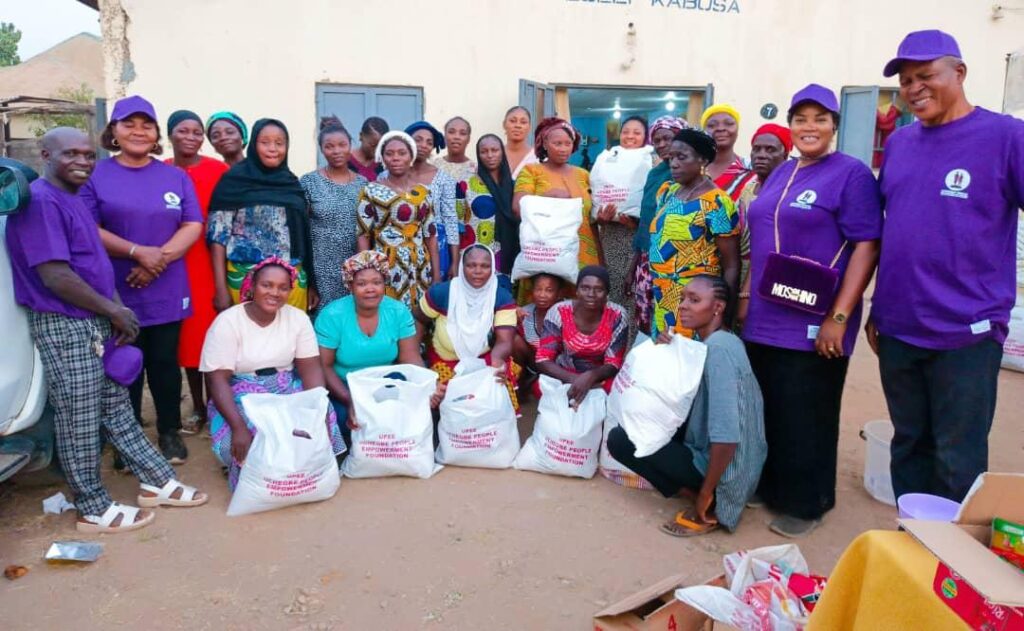
How to Help Widows in Nigeria: 7 Ways to Make a Real, Lasting Difference You already care — otherwise you would not be reading this. The question now is not whether to help, but how to translate that care into something that reaches a real woman, in a real community, on a real Tuesday when she does not know how she will feed her children. The good news is that helping widows in Nigeria does not require wealth or connections. It requires intentionality, consistency, and a willingness to act. At the Uchegbu People Empowerment Foundation, we have spent years learning what help actually looks like in practice — what moves the needle and what does not. These are the seven most effective ways you can make a genuine difference. 1. Donate Directly to a Trusted Nigerian Widow Foundation The most immediate, high-impact action you can take is a direct financial donation to an organisation that works on the ground with Nigerian widows. Financial contributions fund the specific, practical interventions that change lives: skills training materials, small business starter grants, children’s school fees, food support during crisis periods, and psychosocial care. At the Uchegbu People Empowerment Foundation, donations go directly into our widow empowerment programmes. We are a Nigerian foundation working with Nigerian widows in Nigerian communities — which means your money does not travel through layers of international overhead before it reaches the person who needs it. It goes in, and it gets to work. “A single donation can cover a widow’s vocational training fee, restock a small business, or keep a child in school for a full term. The distance between your giving and her relief is shorter than you think.” You can give once as an act of immediate solidarity, or set up a monthly contribution that allows us to plan consistent, sustained support rather than responding only in emergencies. Recurring donors are the backbone of everything we do. Donate now at widowsfoundation.com — your support reaches a Nigerian widow directly. 2. Sponsor a Widow’s Child’s School Fees One of the most heartbreaking consequences of widowhood in Nigeria is children dropping out of school. When a husband dies and the household income disappears, the first casualty is often school fees — even at the primary level. A child removed from school at age ten in Enugu or Anambra rarely returns. Education sponsorship is one of the highest-impact, most cost-effective interventions available. For a modest monthly commitment, you can ensure that a widow’s child remains in school, sits their WAEC, earns qualifications, and eventually becomes a contributor to their family’s recovery rather than a dependent on it. You are not helping one child — you are investing in an entire family’s future. Contact us through widowsfoundation.com to learn about our child education support programme and how you can be matched with a specific family whose journey you follow and support throughout the year. 3. Donate Your Professional Skills Nigerian widows need more than money. They need legal advice to fight property dispossession. They need business mentorship to turn a skill into an income. They need healthcare guidance, financial literacy training, and digital skills education. If you are a lawyer, doctor, accountant, business owner, teacher, social worker, or any kind of professional, your expertise is a resource that can transform lives at zero financial cost to you. A two-hour pro bono legal consultation, for instance, can help a widow in Anambra recover a home that has been illegally seized — an asset potentially worth millions of naira — at no cost to her. A business planning session from an experienced entrepreneur can help a widow turn a tailoring skill into a shop. Reach out to us to discuss how we can match your skills to widows who need exactly what you offer. 4. Raise Awareness in Your Church, Office, or Community Many Nigerians who would readily support widows simply do not know the scale of what is happening — partly because widows are conditioned to suffer in silence, and partly because the media does not cover it as the crisis it truly is. Raising awareness in your circle — your church, your workplace, your family WhatsApp group, your social media following — creates a ripple effect that no single donation can match. Share this article. Discuss the issue at your next fellowship meeting. Correct the harmful narrative when you hear people blame a widow for her husband’s death. Every conversation that opens someone’s eyes brings another person into the circle of support. Our foundation can provide awareness materials, impact reports, and speaker representation for church events, community gatherings, and corporate CSR sessions on request. 5. Advocate Against Harmful Widowhood Practices States like Anambra, Enugu, Cross River, and Edo have laws prohibiting obnoxious widowhood practices — but enforcement is almost non-existent because communities do not demand it and widows do not know their rights. Advocacy creates the pressure that makes enforcement possible. You can write to your local government representative. You can raise the issue at community meetings, age-grade gatherings, or town union assemblies. You can support organisations that do policy and legal advocacy work. If you are a pastor or imam, you can preach against harmful widowhood rites explicitly and repeatedly — because the pulpit is one of the most powerful platforms for shifting community behaviour in Nigeria. 6. Organise a Fundraiser for the Foundation A church group, a university alumni association, an office team, a market women’s cooperative — any organised group can run a fundraiser that generates real support for Nigerian widows. Whether it is a whip-round at a fellowship meeting, a sponsored walk, an online GoFundMe campaign, or a charity dinner, organised giving multiplies individual impact dramatically. The Uchegbu People Empowerment Foundation will provide materials, widow impact stories, and support to any group that wants to raise funds on our behalf. We will also provide a full accountability report showing how every naira raised was used — because we believe donors deserve to see exactly what

widow empowerment programs in Nigeria
Empowerment, Support Widows

Widow Empowerment in Nigeria: Skills That Rebuild Lives

Widow Empowerment in Nigeria: How Skills Training Is Rebuilding Lives and Restoring Hope When Chioma’s husband died suddenly in 2022, she was left with four children, a rented apartment she could no longer afford, and a level of financial panic she had never experienced in her thirty-nine years of life. She had no formal employment. She had always managed the home while her husband managed the income. And now the income was gone. “I did not know what I was going to do,” she says. “I knew how to cook. I knew how to sew a little. But knowing something and knowing how to turn it into money are not the same thing.” Chioma’s story is not unusual. It is, in fact, the story of tens of thousands of Nigerian widows in any given year — women who are capable, determined, and willing to work, but who lack the specific skills, business knowledge, and startup support to convert their willingness into income. This is the gap that the Uchegbu People Empowerment Foundation’s widow empowerment programmes are designed to fill. Why Skills Alone Are Not Enough The conventional response to widow poverty in Nigeria has often been to hand out food parcels or one-off financial gifts. These are valuable in crisis — they prevent starvation and provide breathing room. But they do not build independence. A widow who receives food this month still needs food next month. What changes her situation permanently is the ability to generate her own income sustainably. But here is what many well-meaning efforts miss: skills alone are also not enough. Nigeria has thousands of women who know how to sew, bake, or make soap — and are still poor because they do not know how to price their work, reach customers, manage their cash flow, or grow from a side activity into a real business. Effective widow empowerment must combine skills with business knowledge, and business knowledge with startup support. That is exactly how the Uchegbu People Empowerment Foundation structures our programmes. What Our Widow Empowerment Programme Looks Like Our programme operates in three interconnected phases that take a widow from crisis to confidence: Phase One — Stabilisation: Before skills training can begin, the most immediate needs must be addressed. This means connecting widows with legal support if property dispossession is occurring, providing psychosocial care to begin processing grief, and ensuring that children’s basic needs — food, school fees, healthcare — are not being neglected. A woman cannot learn when she is in survival mode. Phase Two — Skills Acquisition: We offer hands-on vocational training in areas with proven income potential in Nigerian markets. Current training tracks include catering and small-scale food production, tailoring and fashion design, soap and cosmetics making, hair care and beauty services, and petty trading and retail management. Training is conducted in cohorts of eight to twelve widows, creating immediate peer bonds that often outlast the programme itself. Phase Three — Business Launch Support: Completing training is not the finish line — it is the starting line. After graduation, our participants receive small business support including access to starter kits and tools, guidance on business registration and formalisation, introduction to market opportunities and potential customers, and ongoing mentorship from both our team and from women who completed earlier cohorts. “Empowerment is not a gift you give someone. It is a space you create where their own strength can emerge. Our job is to create that space — and then get out of the way.” The Role of Community Care Economic empowerment without social reintegration produces incomplete results. A widow who is earning income but still isolated from her community, still blamed for her husband’s death, still excluded from social networks remains vulnerable in ways that income alone cannot fix. This is why community care is woven into everything we do. Our programmes create cohorts — groups of widows who go through training together, support each other’s businesses, and form bonds of genuine friendship and mutual accountability. Many of our graduates describe their cohort as the most important support system in their lives. We also engage community leaders, church leaders, and traditional rulers to shift community attitudes toward widows — because a widow thriving in a hostile community is always one bad month away from losing everything again. Chioma’s Outcome — And What It Represents Chioma completed our catering and food production track eight months after joining. She received a startup kit including packaging materials, a gas cooker, and working capital to purchase initial stock. She began selling packaged snacks and small chops to offices and event organisers in her local government area. Today, eighteen months after the day she thought she had nothing, Chioma supplies three regular corporate clients, employs one assistant on market days, and has re-enrolled all four of her children in school. She has also joined our peer mentorship network, where she now encourages newer widows joining the programme. “I am not where I want to be yet,” she says honestly. “But I am moving. That is what matters. I am moving forward.” How You Can Support This Work The Uchegbu People Empowerment Foundation runs entirely on the generosity of donors who believe that a Nigerian widow’s story should not end with her husband’s death. Our widow empowerment programme costs real money to run — trainers, materials, starter kits, psychosocial support, community engagement. Every naira and every dollar goes directly into the programme. When you donate to our foundation, you are not making a charity gesture. You are making a business investment in a woman who will work hard with everything you give her. You are buying the time and the tools she needs to become the person she already has the capacity to be. Invest in a widow’s future — donate at https://widowsfoundation.com/donate/ today.

by widows in Nigeria
Support Widows

10 Devastating Challenges Faced by Widows in Africa

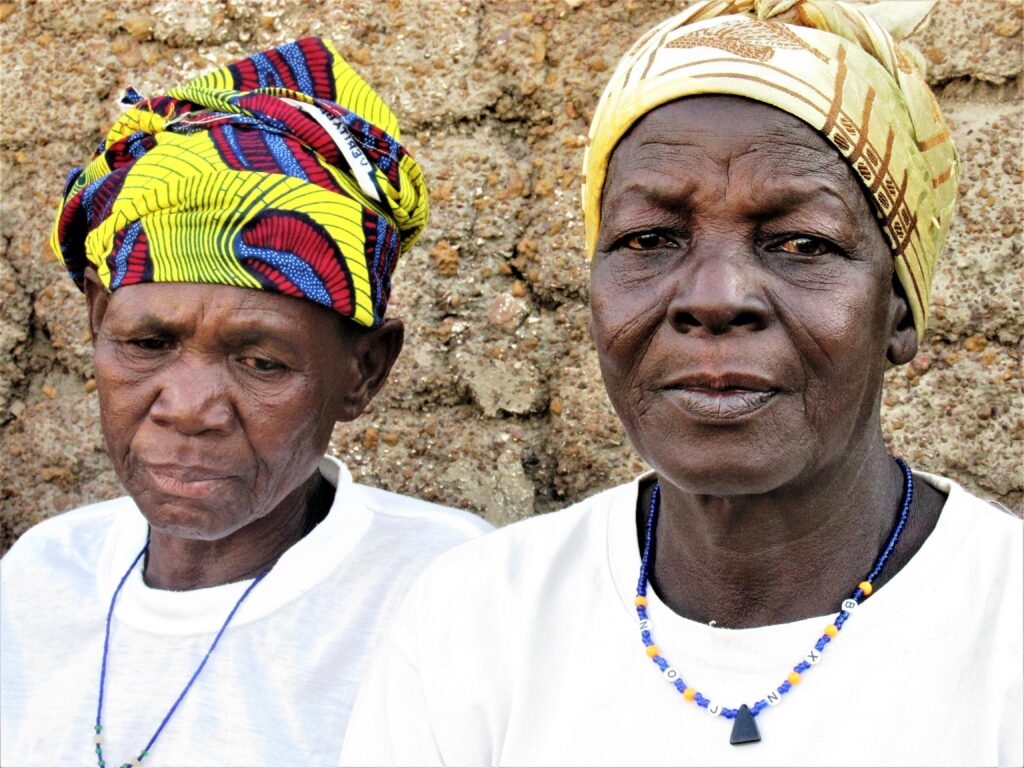
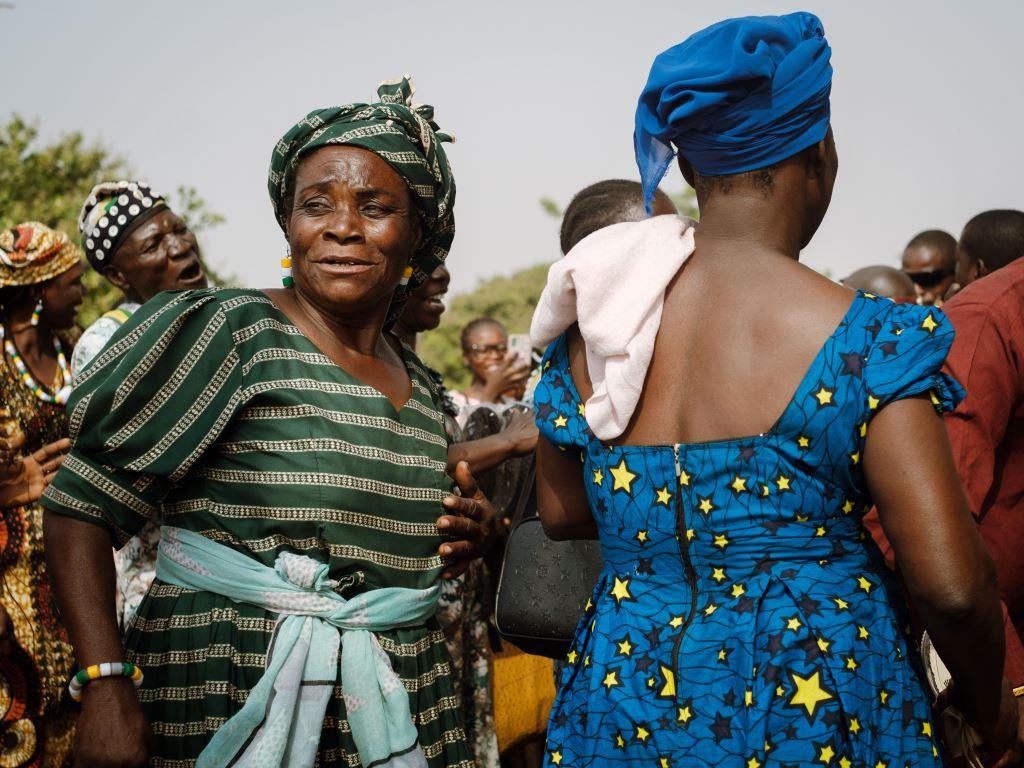
Every day, thousands of women across Africa wake up to a life that changed overnight — not because they chose it, but because death did not ask for permission. A husband is gone, and in that single moment, a wife becomes a widow. In most parts of the world, widowhood is a season of grief. In much of Africa, it is the beginning of a different kind of suffering entirely. According to the United Nations, there are approximately 258 million widows worldwide, and a staggering proportion live in sub-Saharan Africa — many in conditions of extreme poverty, social rejection, and legal vulnerability. Their stories rarely make headlines. Their struggles are rarely the subject of policy debates. But the consequences of ignoring them ripple through entire communities, affecting children, local economies, and generations yet unborn. At Widows Foundation, we work directly with these women. We see what most people never see. And today, we are breaking the silence on the ten most devastating — yet least discussed — challenges that African widows face every single day. 1. Forced Widowhood Rites and Ritual Humiliation In several communities across West and East Africa, widows are subjected to harmful traditional rites that have no basis in health, morality, or law — only in custom. These can include being forced to drink the water used to wash their deceased husband’s body, having their heads shaved without consent, being confined to dark rooms for weeks, or being required to have sexual intercourse with a male relative of the deceased as part of a so-called “cleansing” ritual. These practices are not remnants of ancient history. They are happening today — in 2025 — in communities across Nigeria, Ghana, Kenya, Uganda, and beyond. Many women endure them in silence out of fear of ostracism, threats to their lives, or loss of their children. “No woman who has just lost her husband should be subjected to rituals that strip her of dignity, health, and autonomy. It is not culture. It is cruelty.” 2. Immediate Loss of Property and Land When a man dies without a formal will — which is the case in the overwhelming majority of households across rural Africa — his property does not automatically pass to his wife. Instead, in-laws, extended family members, and community elders often descend on the home within days or even hours of the funeral, claiming land, livestock, household goods, and savings. Women who have farmed land for thirty years suddenly find themselves evicted. Widows who ran family businesses discover those businesses have been transferred to brothers-in-law. In many customary law systems, women are not recognised as landowners in their own right — they are seen as part of the property themselves, which is why property “returns” to the husband’s bloodline upon his death. The Global Fund for Widows estimates that property dispossession affects the majority of widows in low-income African countries, pushing families into overnight destitution. Children are pulled from school. Widows are forced to relocate. Lives that were stable — if modest — collapse entirely. 3. Financial Destitution Without Warning Most African widows, particularly in rural communities, did not manage household finances independently. Their husbands handled income, bank accounts, and financial relationships with institutions. Upon widowhood, many women discover they have no bank account in their own name, no access to savings, and no credit history that would allow them to borrow. This financial invisibility does not reflect poor planning — it reflects a lifetime of systemic exclusion from financial systems. Studies on widowhood poverty in Nigeria have found that many widows transition from relative stability into severe poverty within six months of their husband’s death, particularly when property dispossession and loss of income occur simultaneously. 4. Social Ostracism and Widow Stigma In many African communities, widows are treated with suspicion or outright hostility by those around them. Common beliefs — driven by superstition, not fact — suggest that a widow is “cursed,” that she somehow caused her husband’s death, or that her presence brings misfortune to others. Single men and married women alike may begin to distance themselves. The social consequences are profound. Widows lose friendships. They are excluded from community gatherings, ceremonies, and even churches or mosques. They become isolated at the exact moment they most need community support. This isolation has devastating consequences for mental health, with depression, anxiety, and grief remaining untreated because the women feel too ashamed to seek help. 5. Burden of Solo Parenthood With No Resources A widow who is also a mother faces a compounded crisis. She must grieve, manage the household, provide income, and parent alone — all simultaneously, and usually with dramatically reduced resources. Many widows in Nigeria and across West Africa report pulling their children out of school within a year of their husband’s death simply because they cannot afford school fees, uniforms, or transportation. Children who drop out of school to help their widowed mothers often never return. Boys end up in informal labour. Girls face heightened risks of early marriage and sexual exploitation. The loss of one father ripples into educational deprivation for an entire generation of children. 6. Lack of Legal Protection and Awareness Many widows do not know their legal rights — and even those who do often cannot afford a lawyer to enforce them. In Nigeria, the Constitution formally protects inheritance rights, but customary law practices in local communities frequently override formal legal provisions without consequence. Legal aid is rare, courts are far away, and the social pressure to comply with community decisions is enormous. The result is that illegal dispossession, forced rites, and economic exclusion continue unchallenged — not because the law permits them, but because widows have no access to the legal mechanisms that would protect them. 7. Psychological Trauma and Untreated Grief Grief is a universal human experience, but widows in Africa often grieve in conditions that worsen — rather than support — their psychological recovery. They must organise funerals, manage in-law conflicts, face immediate financial pressures, and care for

how to help widows in Nigeria
Uncategorized

How to Help Widows in Nigeria: 7 Ways That Work

You already care — otherwise you would not be reading this. The question now is not whether to help, but how to translate that care into something that reaches a real woman, in a real community, on a real Tuesday when she does not know how she will feed her children. The good news is that helping widows in Nigeria does not require wealth or connections. It requires intentionality, consistency, and a willingness to act. At the Uchegbu People Empowerment Foundation, we have spent years learning what help actually looks like in practice — what moves the needle and what does not. These are the seven most effective ways you can make a genuine difference. 1. Donate Directly to a Trusted Nigerian Widow Foundation The most immediate, high-impact action you can take is a direct financial donation to an organisation that works on the ground with Nigerian widows. Financial contributions fund the specific, practical interventions that change lives: skills training materials, small business starter grants, children’s school fees, food support during crisis periods, and psychosocial care. At the Uchegbu People Empowerment Foundation, donations go directly into our widow empowerment programmes. We are a Nigerian foundation working with Nigerian widows in Nigerian communities — which means your money does not travel through layers of international overhead before it reaches the person who needs it. It goes in, and it gets to work. “A single donation can cover a widow’s vocational training fee, restock a small business, or keep a child in school for a full term. The distance between your giving and her relief is shorter than you think.” You can give once as an act of immediate solidarity, or set up a monthly contribution that allows us to plan consistent, sustained support rather than responding only in emergencies. Recurring donors are the backbone of everything we do. Donate now at widowsfoundation.com — your support reaches a Nigerian widow directly. 2. Sponsor a Widow’s Child’s School Fees One of the most heartbreaking consequences of widowhood in Nigeria is children dropping out of school. When a husband dies and the household income disappears, the first casualty is often school fees — even at the primary level. A child removed from school at age ten in Enugu or Anambra rarely returns. Education sponsorship is one of the highest-impact, most cost-effective interventions available. For a modest monthly commitment, you can ensure that a widow’s child remains in school, sits their WAEC, earns qualifications, and eventually becomes a contributor to their family’s recovery rather than a dependent on it. You are not helping one child — you are investing in an entire family’s future. Contact us through widowsfoundation.com to learn about our child education support programme and how you can be matched with a specific family whose journey you follow and support throughout the year. 3. Donate Your Professional Skills Nigerian widows need more than money. They need legal advice to fight property dispossession. They need business mentorship to turn a skill into an income. They need healthcare guidance, financial literacy training, and digital skills education. If you are a lawyer, doctor, accountant, business owner, teacher, social worker, or any kind of professional, your expertise is a resource that can transform lives at zero financial cost to you. A two-hour pro bono legal consultation, for instance, can help a widow in Anambra recover a home that has been illegally seized — an asset potentially worth millions of naira — at no cost to her. A business planning session from an experienced entrepreneur can help a widow turn a tailoring skill into a shop. Reach out to us to discuss how we can match your skills to widows who need exactly what you offer. 4. Raise Awareness in Your Church, Office, or Community Many Nigerians who would readily support widows simply do not know the scale of what is happening — partly because widows are conditioned to suffer in silence, and partly because the media does not cover it as the crisis it truly is. Raising awareness in your circle — your church, your workplace, your family WhatsApp group, your social media following — creates a ripple effect that no single donation can match. Share this article. Discuss the issue at your next fellowship meeting. Correct the harmful narrative when you hear people blame a widow for her husband’s death. Every conversation that opens someone’s eyes brings another person into the circle of support. Our foundation can provide awareness materials, impact reports, and speaker representation for church events, community gatherings, and corporate CSR sessions on request. 5. Advocate Against Harmful Widowhood Practices States like Anambra, Enugu, Cross River, and Edo have laws prohibiting obnoxious widowhood practices — but enforcement is almost non-existent because communities do not demand it and widows do not know their rights. Advocacy creates the pressure that makes enforcement possible. You can write to your local government representative. You can raise the issue at community meetings, age-grade gatherings, or town union assemblies. You can support organisations that do policy and legal advocacy work. If you are a pastor or imam, you can preach against harmful widowhood rites explicitly and repeatedly — because the pulpit is one of the most powerful platforms for shifting community behaviour in Nigeria. 6. Organise a Fundraiser for the Foundation A church group, a university alumni association, an office team, a market women’s cooperative — any organised group can run a fundraiser that generates real support for Nigerian widows. Whether it is a whip-round at a fellowship meeting, a sponsored walk, an online GoFundMe campaign, or a charity dinner, organised giving multiplies individual impact dramatically. The Uchegbu People Empowerment Foundation will provide materials, widow impact stories, and support to any group that wants to raise funds on our behalf. We will also provide a full accountability report showing how every naira raised was used — because we believe donors deserve to see exactly what their generosity built. 7. Leave a Legacy That Outlasts You For those with the
widows in Nigeria
Support Widows

Volunteer for widows in Nigeria

Many widows in Nigeria are doing their best to survive, but the weight is heavy. After losing their spouse, they face financial stress, loneliness, and the challenge of raising children alone. If you are searching for how to volunteer for widows in Nigeria, you already care. Now you just need a clear path to take action. This guide shows you practical ways to step in and make a real impact. Through structured platforms like Uchegbu People Empowerment Foundation, your time, skills, and effort can reach widows who truly need support. This is how real change begins. Provide One-on-One Emotional Support Many widows struggle with loneliness and emotional pain after losing their partner. Their deepest need is someone who listens and cares. Step-by-step: Register to volunteer for widows in Nigeria through Uchegbu People Empowerment Foundation, get matched with a widow, and schedule regular visits or calls. This simple act helps rebuild confidence and hope. Teach Income-Generating Skills One of the biggest challenges widows face is lack of steady income. Their deepest need is financial independence. Step-by-step: Offer to teach skills like tailoring, soap making, cooking, or digital work through programs organized by Uchegbu People Empowerment Foundation. This helps widows earn and support their families. Support Small Business Setup Many widows have ideas but lack guidance to start. Their deepest need is direction and support. Step-by-step: Volunteer to guide widows through simple business setup, from choosing products to pricing and selling, under structured foundation programs. This turns ideas into real income. Assist with Children’s Education Widows often struggle to support their children’s schooling. Their deepest need is a better future for their children. Step-by-step: Volunteer to tutor children, help with homework, or support school coordination through Uchegbu People Empowerment Foundation initiatives. This ensures children stay on track academically. Help with Food and Resource Distribution Many widows cannot meet daily needs like food and basic supplies. Their deepest need is survival and dignity. Step-by-step: Join outreach teams at Uchegbu People Empowerment Foundation to distribute food items and essentials directly to widows. This ensures support reaches the right people. Offer Health Support Assistance Healthcare is often neglected due to lack of funds. Their deepest need is access to basic medical care. Step-by-step: Volunteer during medical outreach programs, assist with logistics, or help widows access clinics through foundation support systems. This improves their overall well-being. Create and Manage Support Groups Isolation makes challenges harder for widows. Their deepest need is community and shared strength. Step-by-step: Help organize widow support groups within Uchegbu People Empowerment Foundation programs where they can meet, share, and grow together. This builds lasting connections and encouragement. Provide Mentorship and Guidance Many widows feel lost and unsure about their next steps. Their deepest need is direction and encouragement. Step-by-step: Volunteer as a mentor, check in regularly, help them plan goals, and guide their progress through structured programs. This creates long-term transformation. Advocate for Their Rights Some widows face unfair treatment and loss of property. Their deepest need is protection and justice. Step-by-step: Support awareness campaigns, educate widows about their rights, and work with Uchegbu People Empowerment Foundation to address such issues. This helps protect their dignity and assets. Conclusion Now you know how to volunteer for widows in Nigeria in a way that truly matters. It is not about doing everything. It is about doing something consistently. Through Uchegbu People Empowerment Foundation, your effort becomes structured, impactful, and far-reaching. Take that step today. Your time, your skills, and your presence can help rebuild lives and restore hope.

How to donate to orphans Nigeria
Orphans Empowerment

How to donate to orphans Nigeria

Many children in Nigeria grow up without parents or stable support. They face daily struggles like hunger, poor access to education, and limited healthcare. If you are searching for how to donate to orphans Nigeria, you likely want your support to make a real difference, not get lost or misused. This is where structured, trusted platforms matter. At Uchegbu People Empowerment Foundation, the focus is simple: deliver real, transparent, and life-changing support to orphans across Nigeria. This guide shows you practical ways to give, while ensuring your impact is clear, measurable, and meaningful. Donate Through a Trusted Foundation Many orphanages struggle with poor funding and lack of accountability, which can affect how donations are used. Their deepest need is consistent and well-managed support. Step-by-step: Instead of random giving, partner with a trusted organization like Uchegbu People Empowerment Foundation. Reach out through their official channels, choose a giving option, and track how your support is used. This is one of the most reliable ways when learning how to donate to orphans Nigeria. Provide Food and Basic Needs Through Organized Programs Many children lack steady access to food, clothing, and hygiene items. Their deepest need is daily care and dignity. Step-by-step: Donate food items or funds through Uchegbu People Empowerment Foundation, where structured distribution ensures items reach the right children at the right time. This approach avoids waste and ensures fairness. Sponsor Education for Long-Term Impact Education is often disrupted due to lack of funds. Their deepest need is a path to a better future. Step-by-step: Partner with Uchegbu People Empowerment Foundation to sponsor school fees, books, and uniforms. Get updates on the child’s progress. This creates lasting change beyond short-term aid. Support Healthcare Initiatives Many orphans lack access to proper medical care. Their deepest need is good health and timely treatment. Step-by-step: Contribute to health programs managed by Uchegbu People Empowerment Foundation, including medical outreach and basic healthcare support. This ensures children stay healthy and active. Volunteer Your Time and Skills Beyond money, many children lack guidance and mentorship. Their deepest need is emotional support and direction. Step-by-step: Register as a volunteer with Uchegbu People Empowerment Foundation. Participate in outreach programs, teach skills, or mentor children. Your time can shape their future in powerful ways. Commit to Monthly Giving One-time donations often do not solve long-term challenges. Their deepest need is stability and continuity. Step-by-step: Set up a monthly donation plan with Uchegbu People Empowerment Foundation to ensure ongoing support for food, education, and care. This builds a steady system of care for the children. Support Skills and Future Development Older orphans often struggle when transitioning into adulthood. Their deepest need is independence and life skills. Step-by-step: Fund vocational training programs through Uchegbu People Empowerment Foundation, helping teenagers learn skills like tailoring, digital work, or small business management. This prepares them for life beyond the orphanage. Organize Group Donations Many people want to help but do not know how to coordinate their efforts. Their deepest need is collective and structured support. Step-by-step: Gather friends, church members, or colleagues and partner with Uchegbu People Empowerment Foundation to organize a group donation drive. This increases impact and reaches more children at once. Ensure Transparency and Track Impact One major concern in giving is lack of transparency. Their deepest need is trust and accountability. Step-by-step: Work with Uchegbu People Empowerment Foundation to receive updates, reports, and feedback on how your donations are used. This gives you confidence that your support is truly making a difference. Conclusion Now you understand how to donate to orphans Nigeria in a way that truly creates impact. The key is not just giving, but giving through the right channel. Uchegbu People Empowerment Foundation provides a trusted path to support orphans, widows, and youth across Nigeria. Start today. Take one step, give what you can, and be part of a system that is changing lives every day.

Youth Empowerment
Youth Empowerment

Youth empowerment programs Nigeria guide

Young people in Nigeria are full of energy and ideas, but many are stuck without the right support. Jobs are scarce, skills are missing, and opportunities feel out of reach. If you are looking for a clear Youth empowerment programs Nigeria guide, this article shows you practical ways to step in and make a real difference today. This Youth empowerment programs Nigeria guide is built on simple, real actions. Whether you are an individual, group, or organization, you can use these steps to help Nigerian youth grow, earn, and succeed. Provide Practical Skills Training Many Nigerian youth struggle with unemployment due to lack of practical skills. Their deepest need is hands-on skills they can use to earn money. Step-by-step: Identify in-demand skills like tailoring, coding, phone repair, or digital marketing. Partner with trainers, organize short courses, and provide tools after training. Support Small Business Startups Access to funding is a major challenge for young people with business ideas. Their deepest need is financial support to start small. Step-by-step: Offer small grants or loans, help them choose simple business ideas, and guide them through starting. Mentorship and Guidance Programs Many youth feel lost and lack direction. Their deepest need is guidance from someone experienced. Step-by-step: Pair young people with mentors in their field, schedule regular check-ins, and track progress. Create Internship Opportunities Youth often lack work experience, making it hard to get jobs. Their deepest need is real-world exposure. Step-by-step: Partner with local businesses, place youth in internships, and provide small stipends. Digital Skills and Online Opportunities Many young people are not aware of online income opportunities. Their deepest need is access to global opportunities. Step-by-step: Train them in freelancing, content creation, or e-commerce, and help them set up online profiles. Promote Financial Literacy Poor money management limits growth. Their deepest need is control over their finances. Step-by-step: Teach budgeting, saving, and simple investment strategies through workshops. Encourage Community Projects Many youth feel disconnected from their communities. Their deepest need is purpose and belonging. Step-by-step: Involve them in projects like clean-ups, outreach, or local development initiatives. Provide Access to Tools and Resources Lack of tools stops many from using their skills. Their deepest need is resources to work with. Step-by-step: Provide equipment like sewing machines, laptops, or work kits after training. Build Networking Opportunities Youth often lack connections that open doors. Their deepest need is access to opportunities. Step-by-step: Organize meetups, connect them with professionals, and create platforms for collaboration. Support Mental and Emotional Well-being Stress, pressure, and uncertainty affect many young people. Their deepest need is emotional stability and confidence. Step-by-step: Create safe spaces, offer counseling sessions, and encourage open conversations. Conclusion This Youth empowerment programs Nigeria guide shows that real change comes from simple, consistent actions. You do not need to do everything at once. Start with one group, one idea, or one program. Take action today. When you invest in young people, you build stronger communities, reduce unemployment, and create a better future for Nigeria.

Help for Nigerian widows
Empowerment, Support Widows

Help for Nigerian widows guide

Widowhood in Nigeria often comes with deep emotional pain, financial struggle, and social pressure. Many widows are left to care for their children alone without steady income or support. If you are searching for a clear Help for Nigerian widows guide, this article gives you practical ways to step in and make a real difference today. This is not about ideas that sound good but do nothing. This Help for Nigerian widows guide focuses on real actions you can take to support widows in Nigeria in ways that truly change their lives. Provide Immediate Financial Support Many widows face sudden financial hardship after losing their spouse. They struggle with rent, food, and daily survival. Their deepest need is stability and quick relief. Step-by-step: Identify urgent needs, send money directly or through trusted channels, and follow up regularly instead of one-time giving. Help Them Start Small Businesses Lack of income is one of the biggest challenges widows face. Their deepest need is financial independence. Step-by-step: Help them choose a simple business like food sales, petty trading, or tailoring. Provide startup capital and basic guidance. Support Children’s Education Many widows cannot afford school fees, which affects their children’s future. Their deepest need is a better future for their children. Step-by-step: Pay school fees directly, provide books and uniforms, and track progress each term. Offer Emotional and Social Support Widows often feel lonely and excluded in their communities. Their deepest need is connection and belonging. Step-by-step: Visit regularly, listen without judging, invite them to events, and make them feel included. Provide Skills Training Some widows lack skills needed to earn a steady income. Their deepest need is long-term independence. Step-by-step: Enroll them in practical training like soap making, tailoring, farming, or small business management. Help with Healthcare Access Healthcare is often ignored due to lack of funds. Their deepest need is good health and access to care. Step-by-step: Assist with medical bills, connect them to clinics, or support health insurance enrollment. Protect Their Rights Some widows face unfair treatment or lose property due to cultural practices. Their deepest need is justice and protection. Step-by-step: Educate them on their rights, involve community leaders, and support legal action when needed. Create Support Groups Isolation makes their struggles worse. Their deepest need is community support. Step-by-step: Form small groups where widows meet, share ideas, and support each other financially and emotionally. Mentor and Guide Them Many widows feel lost and unsure about their next steps. Their deepest need is direction and encouragement. Step-by-step: Check in regularly, help them plan goals, and guide them through challenges. Encourage Community Involvement Some widows withdraw from society due to stigma. Their deepest need is acceptance and inclusion. Step-by-step: Encourage participation in church, local groups, and social activities to rebuild confidence. Conclusion This Help for Nigerian widows guide shows that real impact comes from simple, consistent actions. You do not need to do everything at once. Start with one widow, one family, or one small group. Take action today. With the right support, widows can rebuild their lives, gain independence, and create a better future for themselves and their children.

widow business loans Nigeria
Empowerment

Widow business loans Nigeria access guide

Many widows in Nigeria want to start a business but struggle to find money. After losing a spouse, income drops, bills increase, and access to credit becomes harder. If you are searching for a clear Widow business loans Nigeria access guide, this article will walk you through practical steps you can take today. This is not just theory. You will see real ways widows can access funding, what challenges to expect, and how to overcome them. With the right steps, getting a small business loan in Nigeria is possible. Join a Cooperative Society Many widows struggle because they lack collateral or a strong financial history. Their deepest need is trust and group support to access funding. Step-by-step: Find a local cooperative in your area, register as a member, contribute small savings weekly, and build your record. After some time, you can apply for a loan within the group. This Widow business loans Nigeria access guide shows that cooperatives are one of the easiest ways to get small business funding without stress. Apply Through Microfinance Banks Widows often face rejection from big banks due to strict requirements. Their deepest need is simple and flexible loan options. Step-by-step: Visit a nearby microfinance bank, open an account, start saving regularly, and request a small business loan after building trust. Microfinance banks are known for supporting low-income earners and small business for women in Nigeria. Leverage Government Loan Programs Many widows are not aware of government support schemes. Their deepest need is access to low-interest or no-interest funding. Step-by-step: Search for active government programs, register online or through local offices, and submit required documents like ID and business plan. This Widow business loans Nigeria access guide highlights that these programs can provide real relief if followed correctly. Partner with NGOs and Foundations Widows often lack information about available support systems. Their deepest need is guidance and financial assistance. Step-by-step: Look for NGOs in your state that support widows, attend their programs, and apply for grants or soft loans they offer. Many NGOs provide not just loans but also training and mentorship. Use Mobile Loan Apps Carefully Access to quick cash is a big challenge, especially in urgent situations. Their deepest need is fast and easy access to funds. Step-by-step: Download trusted loan apps, create an account, apply for a small amount, and repay on time to build your credit score. This Widow business loans Nigeria access guide advises caution, as some apps have high interest rates. Start with Personal Savings and Rotate Funds Some widows cannot access loans immediately. Their deepest need is a starting point, no matter how small. Step-by-step: Save small amounts daily, join a contribution group (ajo or esusu), and use your turn to invest in your business. This method is common and effective across many parts of Nigeria. Get Support from Religious Groups Many widows are active in churches or mosques but do not tap into support systems. Their deepest need is community-based financial help. Step-by-step: Speak to leaders about your business plan, join support groups, and apply for internal funding or donations. Faith groups often provide small loans or grants to members in need. Build a Simple Business Plan Many widows miss loan opportunities because they cannot explain their business idea clearly. Their deepest need is structure and clarity. Step-by-step: Write down what you want to sell, how much you need, expected profit, and how you will repay the loan. This increases your chances when applying through any channel in this Widow business loans Nigeria access guide. Maintain Good Repayment Habits Some widows lose future opportunities due to poor repayment history. Their deepest need is long-term financial trust. Step-by-step: Borrow only what you can manage, repay on time, and keep records of all transactions. Good repayment opens doors to bigger loans in the future. Conclusion Accessing funding may feel hard, but it is possible when you follow the right steps. This Widow business loans Nigeria access guide has shown you practical ways to move forward, even with little resources. Start small, stay consistent, and use the options available around you. With time, you can build a stable business and create a better future for yourself and your family.  

church donation widows Nigeria
Empowerment, Support Widows

Church donation widows Nigeria support

Many widows in Nigeria are quietly struggling. After losing their husbands, they face money problems, social pressure, and the heavy task of raising children alone. If you are part of a church or faith group, you are in a strong position to help. Church donation widows Nigeria support is not just about giving money. It is about changing lives in a real and lasting way. If you are looking for help for Nigerian widows that truly changes lives, this guide gives you clear steps you can take today. These are simple, practical actions that churches and individuals can start right away. Set Up a Monthly Widow Support Fund Many widows struggle with steady income and cannot meet basic needs like food and rent. Their deepest need is stability and regular support. Step-by-step: Create a small fund in your church, encourage members to give monthly, and assign trusted leaders to manage it. Realistic support: ₦5,000 to ₦30,000 monthly per widow can cover basic needs. Provide Food and Essential Items Food insecurity is a major challenge, especially for widows with children. Their deepest need is daily survival and dignity. Step-by-step: Organize food drives, buy items like rice, garri, and oil, and distribute monthly. Realistic support: Food packages can sustain a family for weeks. Help Widows Start Small Businesses Lack of income keeps many widows dependent. Their deepest need is financial independence. Step-by-step: Identify simple business ideas like petty trading or food sales, provide startup funds, and guide them. Realistic support: ₦20,000 to ₦100,000 can launch a small business for women. Pay for Children’s Education Many widows cannot afford school fees, which affects their children’s future. Their deepest need is to secure a better life for their children. Step-by-step: Adopt a child’s school fees, provide books, and follow up each term. Realistic support: ₦10,000 to ₦50,000 per term. Create Skills Training Programs Some widows lack skills to earn income. Their deepest need is long-term independence. Step-by-step: Organize training in tailoring, soap making, or catering within the church. Realistic support: Training can lead to steady weekly income. Offer Emotional and Spiritual Support Many widows feel alone and rejected. Their deepest need is love, care, and belonging. Step-by-step: Visit them, pray with them, and include them in church activities. Realistic support: Regular care builds strength and hope. Protect Widows from Injustice Some widows face property loss or unfair treatment. Their deepest need is protection and fairness. Step-by-step: Educate them on their rights, involve community leaders, and support legal help. Realistic support: Advocacy can save homes and livelihoods. Start Widow Support Groups Isolation makes their struggles worse. Their deepest need is community and shared support. Step-by-step: Create small groups where widows meet, share, and support each other. Realistic support: Strong networks lead to shared growth. Mentor and Guide Widows Some widows feel confused about what to do next. Their deepest need is direction and encouragement. Step-by-step: Assign mentors from the church to guide them regularly. Realistic support: Consistent guidance leads to long-term progress. How to Support widows even on a small budget You do not need big money to offer help for Nigerian widows that truly changes lives. Small actions, done well, go a long way. Contribute small amounts as a group Donate food instead of cash Teach skills for free Help promote their small business Visit and encourage them regularly Consistency matters more than size. Even small help can change a life. Conclusion Church donation widows Nigeria support is not just charity. It is about restoring dignity, building strength, and creating real change. If you truly want help for Nigerian widows that truly changes lives, start with one step today. Your church, your group, or even you alone can make a difference. Pick one widow, take action, and stay consistent. That is how real impact begins.

Scroll to Top