How to Help Widows in Nigeria

how to help widows in Nigeria
Support Widows

7 Ways to Help Widows in Nigeria

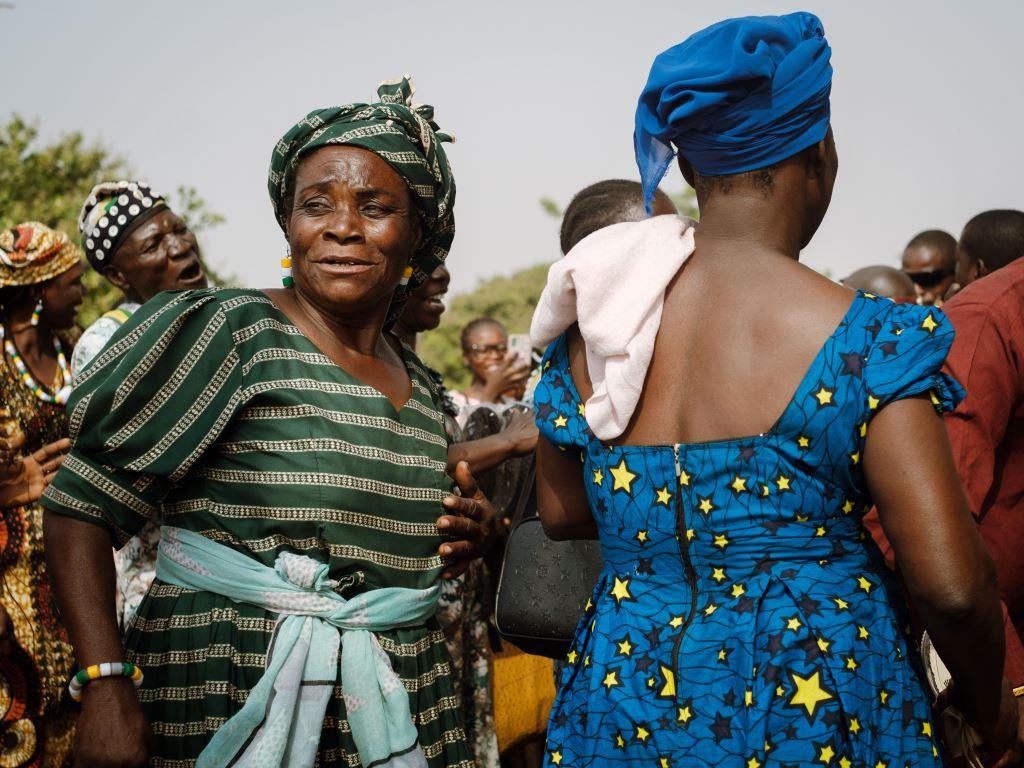
You already care – otherwise you would not be reading this. The question now is not whether to help, but how to translate that care into something that reaches a real woman, in a real community, on a real Tuesday when she does not know how she will feed her children. The good news is that helping widows in Nigeria does not require wealth or connections. It requires intentionality, consistency, and a willingness to act. At the Uchegbu People Empowerment Foundation, we have spent years learning what help actually looks like in practice – what moves the needle and what does not. These are the seven most effective ways you can make a genuine difference. 1. Donate Directly to a Trusted Nigerian Widow Foundation The most immediate, high-impact action you can take is a direct financial donation to an organisation that works on the ground with Nigerian widows. Financial contributions fund the specific, practical interventions that change lives: skills training materials, small business starter grants, children’s school fees, food support during crisis periods, and psychosocial care. At the Uchegbu People Empowerment Foundation, donations go directly into our widow empowerment programmes. We are a Nigerian foundation working with Nigerian widows in Nigerian communities – which means your money does not travel through layers of international overhead before it reaches the person who needs it. It goes in, and it gets to work. “A single donation can cover a widow’s vocational training fee, restock a small business, or keep a child in school for a full term. The distance between your giving and her relief is shorter than you think.” You can give once as an act of immediate solidarity, or set up a monthly contribution that allows us to plan consistent, sustained support rather than responding only in emergencies. Recurring donors are the backbone of everything we do. Donate now at widowsfoundation.com – your support reaches a Nigerian widow directly. 2. Sponsor a Widow’s Child’s School Fees One of the most heartbreaking consequences of widowhood in Nigeria is children dropping out of school. When a husband dies and the household income disappears, the first casualty is often school fees – even at the primary level. A child removed from school at age ten in Enugu or Anambra rarely returns. Education sponsorship is one of the highest-impact, most cost-effective interventions available. For a modest monthly commitment, you can ensure that a widow’s child remains in school, sits their WAEC, earns qualifications, and eventually becomes a contributor to their family’s recovery rather than a dependent on it. You are not helping one child – you are investing in an entire family’s future. Contact us through widowsfoundation.com to learn about our child education support programme and how you can be matched with a specific family whose journey you follow and support throughout the year. 3. Donate Your Professional Skills Nigerian widows need more than money. They need legal advice to fight property dispossession. They need business mentorship to turn a skill into an income. They need healthcare guidance, financial literacy training, and digital skills education. If you are a lawyer, doctor, accountant, business owner, teacher, social worker, or any kind of professional, your expertise is a resource that can transform lives at zero financial cost to you. A two-hour pro bono legal consultation, for instance, can help a widow in Anambra recover a home that has been illegally seized – an asset potentially worth millions of naira – at no cost to her. A business planning session from an experienced entrepreneur can help a widow turn a tailoring skill into a shop. Reach out to us to discuss how we can match your skills to widows who need exactly what you offer. 4. Raise Awareness in Your Church, Office, or Community Many Nigerians who would readily support widows simply do not know the scale of what is happening – partly because widows are conditioned to suffer in silence, and partly because the media does not cover it as the crisis it truly is. Raising awareness in your circle – your church, your workplace, your family WhatsApp group, your social media following – creates a ripple effect that no single donation can match. Share this article. Discuss the issue at your next fellowship meeting. Correct the harmful narrative when you hear people blame a widow for her husband’s death. Every conversation that opens someone’s eyes brings another person into the circle of support. Our foundation can provide awareness materials, impact reports, and speaker representation for church events, community gatherings, and corporate CSR sessions on request. 5. Advocate Against Harmful Widowhood Practices States like Anambra, Enugu, Cross River, and Edo have laws prohibiting obnoxious widowhood practices – but enforcement is almost non-existent because communities do not demand it and widows do not know their rights. Advocacy creates the pressure that makes enforcement possible. You can write to your local government representative. You can raise the issue at community meetings, age-grade gatherings, or town union assemblies. You can support organisations that do policy and legal advocacy work. If you are a pastor or imam, you can preach against harmful widowhood rites explicitly and repeatedly – because the pulpit is one of the most powerful platforms for shifting community behaviour in Nigeria. 6. Organise a Fundraiser for the Foundation A church group, a university alumni association, an office team, a market women’s cooperative – any organised group can run a fundraiser that generates real support for Nigerian widows. Whether it is a whip-round at a fellowship meeting, a sponsored walk, an online GoFundMe campaign, or a charity dinner, organised giving multiplies individual impact dramatically. The Uchegbu People Empowerment Foundation will provide materials, widow impact stories, and support to any group that wants to raise funds on our behalf. We will also provide a full accountability report showing how every naira raised was used – because we believe donors deserve to see exactly what their generosity built. 7. Leave a Legacy That Outlasts You For those with the
how to help widows in Nigeria
Empowerment, Support Widows

7 Ways to Help Widows in Nigeria

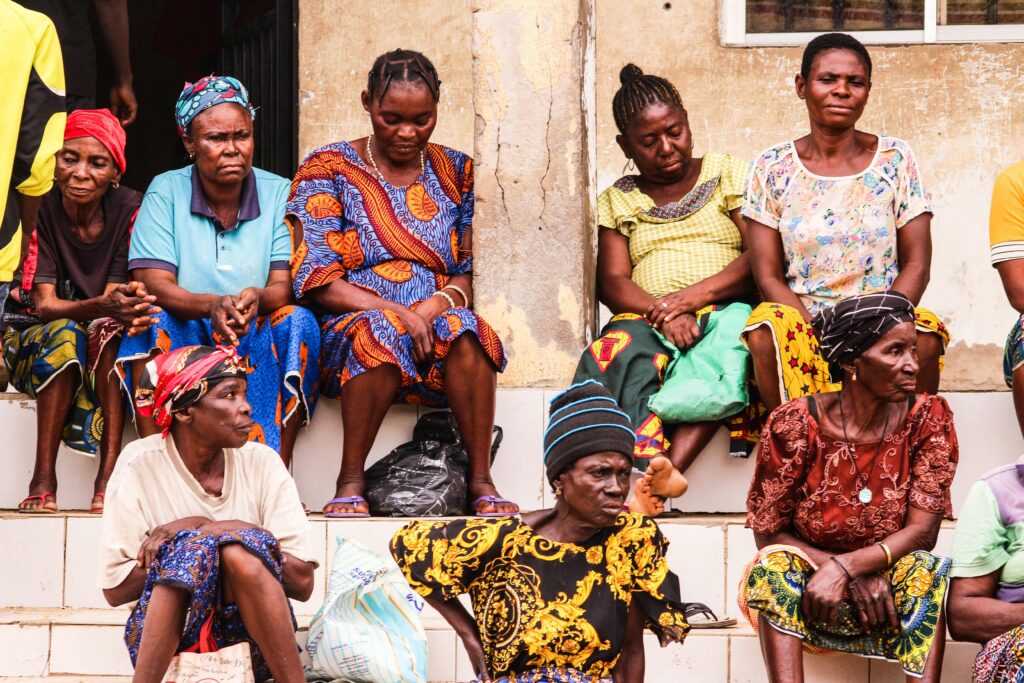
You already care – otherwise you would not be reading this. The question now is not whether to help, but how to translate that care into something that reaches a real woman, in a real community, on a real Tuesday when she does not know how she will feed her children. The good news is that helping widows in Nigeria does not require wealth or connections. It requires intentionality, consistency, and a willingness to act. At the Uchegbu People Empowerment Foundation, we have spent years learning what help actually looks like in practice – what moves the needle and what does not. These are the seven most effective ways you can make a genuine difference. 1. Donate Directly to a Trusted Nigerian Widow Foundation The most immediate, high-impact action you can take is a direct financial donation to an organisation that works on the ground with Nigerian widows. Financial contributions fund the specific, practical interventions that change lives: skills training materials, small business starter grants, children’s school fees, food support during crisis periods, and psychosocial care. At the Uchegbu People Empowerment Foundation, donations go directly into our widow empowerment programmes. We are a Nigerian foundation working with Nigerian widows in Nigerian communities – which means your money does not travel through layers of international overhead before it reaches the person who needs it. It goes in, and it gets to work. “A single donation can cover a widow’s vocational training fee, restock a small business, or keep a child in school for a full term. The distance between your giving and her relief is shorter than you think.” You can give once as an act of immediate solidarity, or set up a monthly contribution that allows us to plan consistent, sustained support rather than responding only in emergencies. Recurring donors are the backbone of everything we do. Donate now at widowsfoundation.com/donate/ – your support reaches a Nigerian widow directly. 2. Sponsor a Widow’s Child’s School Fees One of the most heartbreaking consequences of widowhood in Nigeria is children dropping out of school. When a husband dies and the household income disappears, the first casualty is often school fees – even at the primary level. A child removed from school at age ten in Enugu or Anambra rarely returns. Education sponsorship is one of the highest-impact, most cost-effective interventions available. For a modest monthly commitment, you can ensure that a widow’s child remains in school, sits their WAEC, earns qualifications, and eventually becomes a contributor to their family’s recovery rather than a dependent on it. You are not helping one child – you are investing in an entire family’s future. Contact us through widowsfoundation.com to learn about our child education support programme and how you can be matched with a specific family whose journey you follow and support throughout the year. 3. Donate Your Professional Skills Nigerian widows need more than money. They need legal advice to fight property dispossession. They need business mentorship to turn a skill into an income. They need healthcare guidance, financial literacy training, and digital skills education. If you are a lawyer, doctor, accountant, business owner, teacher, social worker, or any kind of professional, your expertise is a resource that can transform lives at zero financial cost to you. A two-hour pro bono legal consultation, for instance, can help a widow in Anambra recover a home that has been illegally seized – an asset potentially worth millions of naira – at no cost to her. A business planning session from an experienced entrepreneur can help a widow turn a tailoring skill into a shop. Reach out to us to discuss how we can match your skills to widows who need exactly what you offer. 4. Raise Awareness in Your Church, Office, or Community Many Nigerians who would readily support widows simply do not know the scale of what is happening – partly because widows are conditioned to suffer in silence, and partly because the media does not cover it as the crisis it truly is. Raising awareness in your circle – your church, your workplace, your family WhatsApp group, your social media following – creates a ripple effect that no single donation can match. Share this article. Discuss the issue at your next fellowship meeting. Correct the harmful narrative when you hear people blame a widow for her husband’s death. Every conversation that opens someone’s eyes brings another person into the circle of support. Our foundation can provide awareness materials, impact reports, and speaker representation for church events, community gatherings, and corporate CSR sessions on request. 5. Advocate Against Harmful Widowhood Practices States like Anambra, Enugu, Cross River, and Edo have laws prohibiting obnoxious widowhood practices – but enforcement is almost non-existent because communities do not demand it and widows do not know their rights. Advocacy creates the pressure that makes enforcement possible. You can write to your local government representative. You can raise the issue at community meetings, age-grade gatherings, or town union assemblies. You can support organisations that do policy and legal advocacy work. If you are a pastor or imam, you can preach against harmful widowhood rites explicitly and repeatedly – because the pulpit is one of the most powerful platforms for shifting community behaviour in Nigeria. 6. Organise a Fundraiser for the Foundation A church group, a university alumni association, an office team, a market women’s cooperative – any organised group can run a fundraiser that generates real support for Nigerian widows. Whether it is a whip-round at a fellowship meeting, a sponsored walk, an online GoFundMe campaign, or a charity dinner, organised giving multiplies individual impact dramatically. The Uchegbu People Empowerment Foundation will provide materials, widow impact stories, and support to any group that wants to raise funds on our behalf. We will also provide a full accountability report showing how every naira raised was used – because we believe donors deserve to see exactly what their generosity built. 7. Leave a Legacy That Outlasts You For those with the

how to help widows in Nigeria
Support Widows

How to Help Widows in Nigeria: 7 Ways That Work

How to Help Widows in Nigeria: 7 Ways to Make a Real, Lasting Difference You already care — otherwise you would not be reading this. The question now is not whether to help, but how to translate that care into something that reaches a real woman, in a real community, on a real Tuesday when she does not know how she will feed her children. The good news is that helping widows in Nigeria does not require wealth or connections. It requires intentionality, consistency, and a willingness to act. At the Uchegbu People Empowerment Foundation, we have spent years learning what help actually looks like in practice — what moves the needle and what does not. These are the seven most effective ways you can make a genuine difference. 1. Donate Directly to a Trusted Nigerian Widow Foundation The most immediate, high-impact action you can take is a direct financial donation to an organisation that works on the ground with Nigerian widows. Financial contributions fund the specific, practical interventions that change lives: skills training materials, small business starter grants, children’s school fees, food support during crisis periods, and psychosocial care. At the Uchegbu People Empowerment Foundation, donations go directly into our widow empowerment programmes. We are a Nigerian foundation working with Nigerian widows in Nigerian communities — which means your money does not travel through layers of international overhead before it reaches the person who needs it. It goes in, and it gets to work. “A single donation can cover a widow’s vocational training fee, restock a small business, or keep a child in school for a full term. The distance between your giving and her relief is shorter than you think.” You can give once as an act of immediate solidarity, or set up a monthly contribution that allows us to plan consistent, sustained support rather than responding only in emergencies. Recurring donors are the backbone of everything we do. Donate now at widowsfoundation.com — your support reaches a Nigerian widow directly. 2. Sponsor a Widow’s Child’s School Fees One of the most heartbreaking consequences of widowhood in Nigeria is children dropping out of school. When a husband dies and the household income disappears, the first casualty is often school fees — even at the primary level. A child removed from school at age ten in Enugu or Anambra rarely returns. Education sponsorship is one of the highest-impact, most cost-effective interventions available. For a modest monthly commitment, you can ensure that a widow’s child remains in school, sits their WAEC, earns qualifications, and eventually becomes a contributor to their family’s recovery rather than a dependent on it. You are not helping one child — you are investing in an entire family’s future. Contact us through widowsfoundation.com to learn about our child education support programme and how you can be matched with a specific family whose journey you follow and support throughout the year. 3. Donate Your Professional Skills Nigerian widows need more than money. They need legal advice to fight property dispossession. They need business mentorship to turn a skill into an income. They need healthcare guidance, financial literacy training, and digital skills education. If you are a lawyer, doctor, accountant, business owner, teacher, social worker, or any kind of professional, your expertise is a resource that can transform lives at zero financial cost to you. A two-hour pro bono legal consultation, for instance, can help a widow in Anambra recover a home that has been illegally seized — an asset potentially worth millions of naira — at no cost to her. A business planning session from an experienced entrepreneur can help a widow turn a tailoring skill into a shop. Reach out to us to discuss how we can match your skills to widows who need exactly what you offer. 4. Raise Awareness in Your Church, Office, or Community Many Nigerians who would readily support widows simply do not know the scale of what is happening — partly because widows are conditioned to suffer in silence, and partly because the media does not cover it as the crisis it truly is. Raising awareness in your circle — your church, your workplace, your family WhatsApp group, your social media following — creates a ripple effect that no single donation can match. Share this article. Discuss the issue at your next fellowship meeting. Correct the harmful narrative when you hear people blame a widow for her husband’s death. Every conversation that opens someone’s eyes brings another person into the circle of support. Our foundation can provide awareness materials, impact reports, and speaker representation for church events, community gatherings, and corporate CSR sessions on request. 5. Advocate Against Harmful Widowhood Practices States like Anambra, Enugu, Cross River, and Edo have laws prohibiting obnoxious widowhood practices — but enforcement is almost non-existent because communities do not demand it and widows do not know their rights. Advocacy creates the pressure that makes enforcement possible. You can write to your local government representative. You can raise the issue at community meetings, age-grade gatherings, or town union assemblies. You can support organisations that do policy and legal advocacy work. If you are a pastor or imam, you can preach against harmful widowhood rites explicitly and repeatedly — because the pulpit is one of the most powerful platforms for shifting community behaviour in Nigeria. 6. Organise a Fundraiser for the Foundation A church group, a university alumni association, an office team, a market women’s cooperative — any organised group can run a fundraiser that generates real support for Nigerian widows. Whether it is a whip-round at a fellowship meeting, a sponsored walk, an online GoFundMe campaign, or a charity dinner, organised giving multiplies individual impact dramatically. The Uchegbu People Empowerment Foundation will provide materials, widow impact stories, and support to any group that wants to raise funds on our behalf. We will also provide a full accountability report showing how every naira raised was used — because we believe donors deserve to see exactly what

How to Help Widows in Nigeria
Empowerment, Support Widows

How to Help Widows in Nigeria

Widowhood in Nigeria can come with deep pain, sudden money problems, and social pressure. You may want to help but feel unsure where to start. If you are searching for how to help widows in Nigeria, the truth is simple: small, clear actions can change real lives. Across villages and cities, many widows struggle with loss of income, care for children, and unfair treatment. This guide gives you practical steps you can take today. No fluff. Just real ways to support widows and make a lasting impact. Provide Direct Financial Support That Solves Immediate Needs Many widows face sudden financial hardship after losing their spouse. They may struggle to pay rent, feed their children, or cover medical bills. Their deepest need here is stability and peace of mind. They need to know they can survive the next week or month. Step-by-step: Identify a widow in your community, ask about her most urgent needs, and provide support directly or through trusted channels. Start small but stay consistent. Realistic support: ₦5,000 to ₦50,000 monthly can cover food, school fees, or basic care in many parts of Nigeria. Help Them Start a Small Income Source One major challenge widows face is lack of steady income. Without financial independence, they remain vulnerable. Their deepest need is dignity through earning their own money. Step-by-step: Help them choose a simple business like food sales, tailoring, or petty trading. Provide startup capital and basic guidance. Realistic support: ₦20,000 to ₦100,000 can help launch a small business in Nigeria. Support Children’s Education Many widows struggle to keep their children in school. Fees, uniforms, and books become a burden. Their deepest need is to secure a better future for their children. Step-by-step: Pay school fees directly, provide books, or connect them to scholarship programs. Realistic support: ₦10,000 to ₦60,000 per term depending on school type. Offer Emotional and Social Support Widows often face loneliness and rejection, especially in communities with strong cultural beliefs. Their deepest need is to feel seen, valued, and supported. Step-by-step: Visit regularly, listen without judgment, include them in events, and create safe spaces for connection. Realistic support: Your time, consistency, and care can be more powerful than money. Protect Their Rights and Speak Up Some widows lose property or face harmful traditional practices after their husband’s death. Their deepest need is protection and fairness. Step-by-step: Educate them about their rights, involve community leaders, and support legal action when needed. Realistic support: Advocacy can help them keep homes, land, and dignity. Provide Skills Training for Long-Term Growth Many widows lack skills that can help them earn consistently. Their deepest need is long-term independence. Step-by-step: Enroll them in training programs like tailoring, soap making, farming, or digital skills. Realistic support: ₦10,000 to ₦80,000 depending on the skill and training duration. Create or Support Community Groups Isolation is a big issue among widows in Nigeria. Many feel cut off from support systems. Their deepest need is community and shared strength. Step-by-step: Help form support groups where widows can meet, save money together, and share ideas. Realistic support: Minimal cost but high impact through group savings and emotional support. Assist with Healthcare Access Healthcare is often neglected due to lack of money. Their deepest need is physical well-being and access to treatment. Step-by-step: Help with hospital bills, enroll them in health insurance, or connect them with local clinics. Realistic support: ₦5,000 to ₦30,000 can cover basic healthcare needs. Mentor and Guide Them Consistently Some widows feel lost and unsure about what to do next. Their deepest need is direction and confidence. Step-by-step: Check in weekly, guide decisions, and help them stay focused on goals. Realistic support: Ongoing mentorship can transform their mindset and results. How to Support widows even on a small budget You do not need a lot of money to make a difference. Many people wait because they think they need big funds, but that is not true. Here are simple ways to act now: Contribute small amounts with friends or a group Buy food items instead of giving cash Teach a skill you already know Help promote their small business Offer your time for support and encouragement These small steps, when done consistently, create real change. Conclusion Now you understand how to help widows in Nigeria in a practical and meaningful way. It is not about doing everything at once. It is about taking one clear step and staying consistent. Whether you give money, time, skills, or support, your action matters. Start with one widow, one family, or one community. That single step can restore hope, dignity, and a better future.  

Scroll to Top