Widows Empowerment Skills Acquisition in Nigeria
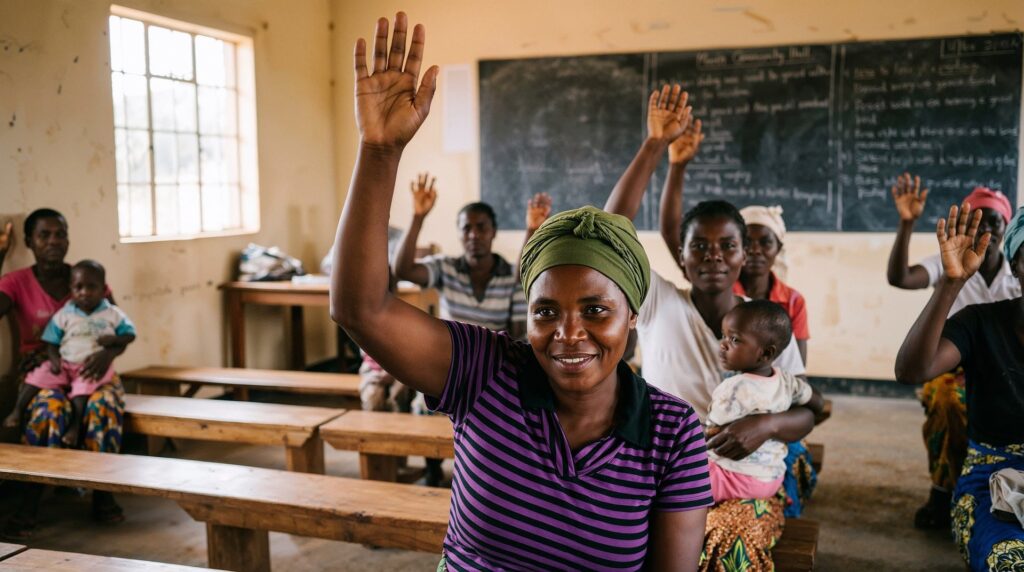
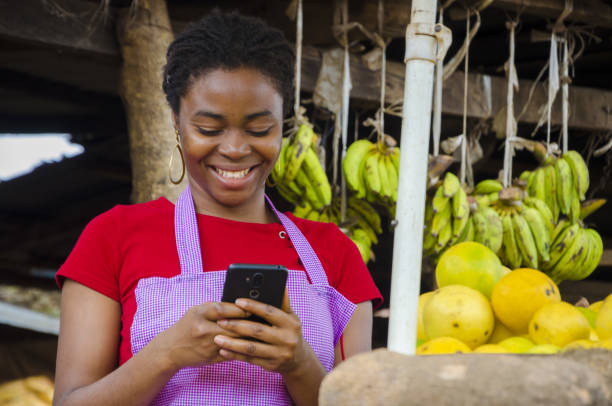
When Chioma’s husband died suddenly in 2022, she was left with four children, a rented apartment she could no longer afford, and a level of financial panic she had never experienced in her thirty-nine years of life. She had no formal employment. She had always managed the home while her husband managed the income. And now the income was gone. “I did not know what I was going to do,” she says. “I knew how to cook. I knew how to sew a little. But knowing something and knowing how to turn it into money are not the same thing.” Chioma’s story is not unusual. It is, in fact, the story of tens of thousands of Nigerian widows in any given year – women who are capable, determined, and willing to work, but who lack the specific skills, business knowledge, and startup support to convert their willingness into income. This is the gap that the Uchegbu People Empowerment Foundation’s widow empowerment programmes are designed to fill. Why Skills Alone Are Not Enough The conventional response to widow poverty in Nigeria has often been to hand out food parcels or one-off financial gifts. These are valuable in crisis – they prevent starvation and provide breathing room. But they do not build independence. A widow who receives food this month still needs food next month. What changes her situation permanently is the ability to generate her own income sustainably. But here is what many well-meaning efforts miss: skills alone are also not enough. Nigeria has thousands of women who know how to sew, bake, or make soap – and are still poor because they do not know how to price their work, reach customers, manage their cash flow, or grow from a side activity into a real business. Effective widow empowerment must combine skills with business knowledge, and business knowledge with startup support. That is exactly how the Uchegbu People Empowerment Foundation structures our programmes. What Our Widow Empowerment Programme Looks Like Our programme operates in three interconnected phases that take a widow from crisis to confidence: Phase One – Stabilisation: Before skills training can begin, the most immediate needs must be addressed. This means connecting widows with legal support if property dispossession is occurring, providing psychosocial care to begin processing grief, and ensuring that children’s basic needs – food, school fees, healthcare – are not being neglected. A woman cannot learn when she is in survival mode. Phase Two – Skills Acquisition: We offer hands-on vocational training in areas with proven income potential in Nigerian markets. Current training tracks include catering and small-scale food production, tailoring and fashion design, soap and cosmetics making, hair care and beauty services, and petty trading and retail management. Training is conducted in cohorts of eight to twelve widows, creating immediate peer bonds that often outlast the programme itself. Phase Three – Business Launch Support: Completing training is not the finish line – it is the starting line. After graduation, our participants receive small business support including access to starter kits and tools, guidance on business registration and formalisation, introduction to market opportunities and potential customers, and ongoing mentorship from both our team and from women who completed earlier cohorts. “Empowerment is not a gift you give someone. It is a space you create where their own strength can emerge. Our job is to create that space – and then get out of the way.” The Role of Community Care Economic empowerment without social reintegration produces incomplete results. A widow who is earning income but still isolated from her community, still blamed for her husband’s death, still excluded from social networks remains vulnerable in ways that income alone cannot fix. This is why community care is woven into everything we do. Our programmes create cohorts – groups of widows who go through training together, support each other’s businesses, and form bonds of genuine friendship and mutual accountability. Many of our graduates describe their cohort as the most important support system in their lives. We also engage community leaders, church leaders, and traditional rulers to shift community attitudes toward widows – because a widow thriving in a hostile community is always one bad month away from losing everything again. Chioma’s Outcome – And What It Represents Chioma completed our catering and food production track eight months after joining. She received a startup kit including packaging materials, a gas cooker, and working capital to purchase initial stock. She began selling packaged snacks and small chops to offices and event organisers in her local government area. Today, eighteen months after the day she thought she had nothing, Chioma supplies three regular corporate clients, employs one assistant on market days, and has re-enrolled all four of her children in school. She has also joined our peer mentorship network, where she now encourages newer widows joining the programme. “I am not where I want to be yet,” she says honestly. “But I am moving. That is what matters. I am moving forward.” How You Can Support This Work The Uchegbu People Empowerment Foundation runs entirely on the generosity of donors who believe that a Nigerian widow’s story should not end with her husband’s death. Our widow empowerment programme costs real money to run – trainers, materials, starter kits, psychosocial support, community engagement. Every naira and every dollar goes directly into the programme. When you donate to our foundation, you are not making a charity gesture. You are making a business investment in a woman who will work hard with everything you give her. You are buying the time and the tools she needs to become the person she already has the capacity to be. Invest in a widow’s future today: https://widowsfoundation.com/donate/ .